 GSP
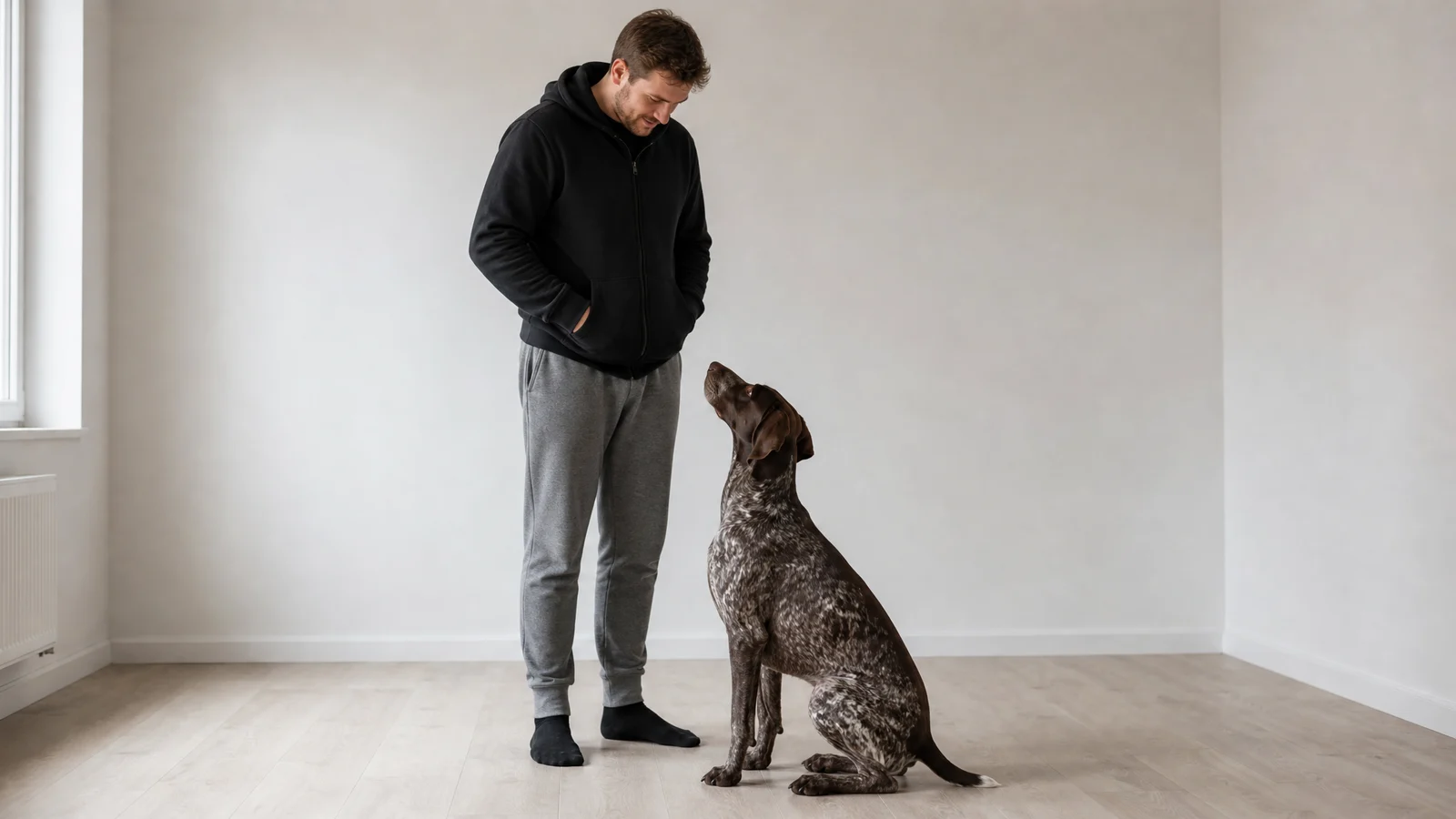
The best pause in a German Shorthaired Pointer's day is the one where your dog turns and checks in with you before choosing what comes next. It is also the moment you can steer a keen, high-energy dog without raising your voice. That look is a choice your dog makes, and paying for it often enough turns it into a habit. GSPs are friendly and willing to please, so you are starting from a better place than it may feel like when your dog is bouncing off the walls.
The steps below begin in the emptiest room of your home, give the look a word, and then follow it out to the walks and games where a GSP's attention is hardest to win.
Teach Your German Shorthaired Pointer to Pay Attention
The emptiest room in your home is the best classroom, because there you are the most interesting thing in it. We like to begin with a pocketful of small treats and no other plan.
Sit or stand with your hands at your sides and wait. The moment your GSP turns their head or eyes toward you, say your marker word (or click) and hand over a treat. At first any glance earns the reward, because you are paying for the direction of the look and not for a held gaze. Once glances come easily, let a moment pass before you mark and the looks will stretch on their own.
Waiting feels odd at first, but it leaves the decision with your dog, and a look your dog chose is worth more than one you pulled out of them. A quick, soft glance is all you need, and because you are mostly catching something your dog already does, the lesson feels like a game and not a drill.
A Watch Me Command for Your German Shorthaired Pointer's Focus
Once a glance arrives every time you wait for it, the look is ready for a name of its own, and giving it one costs nothing extra because the look already exists.
Choose one short word and speak it as you see your dog about to turn, then mark and pay when the head arrives. Over time the word starts to predict the look, so you can ask for it from across the room. PetMD points out that the first cue many people will teach their dogs is to "watch," meaning we want them to make eye contact with us when we say their name or use the word "watch."
Your word does the same job, and your dog only needs to turn toward you, not hold your gaze. A new room can still make the look vanish, so try the word in one new spot at a time. We prefer to change only one thing per session, so a lost look points straight at its cause.
Rotate the rewards as the places get busier. Humane World for Animals advises that you keep a variety of treats handy so your dog won't become bored getting the same treat every time, so a changing menu is part of keeping each look worth offering.
How Your GSP's Focus Relates to Recall and Sniff Walks
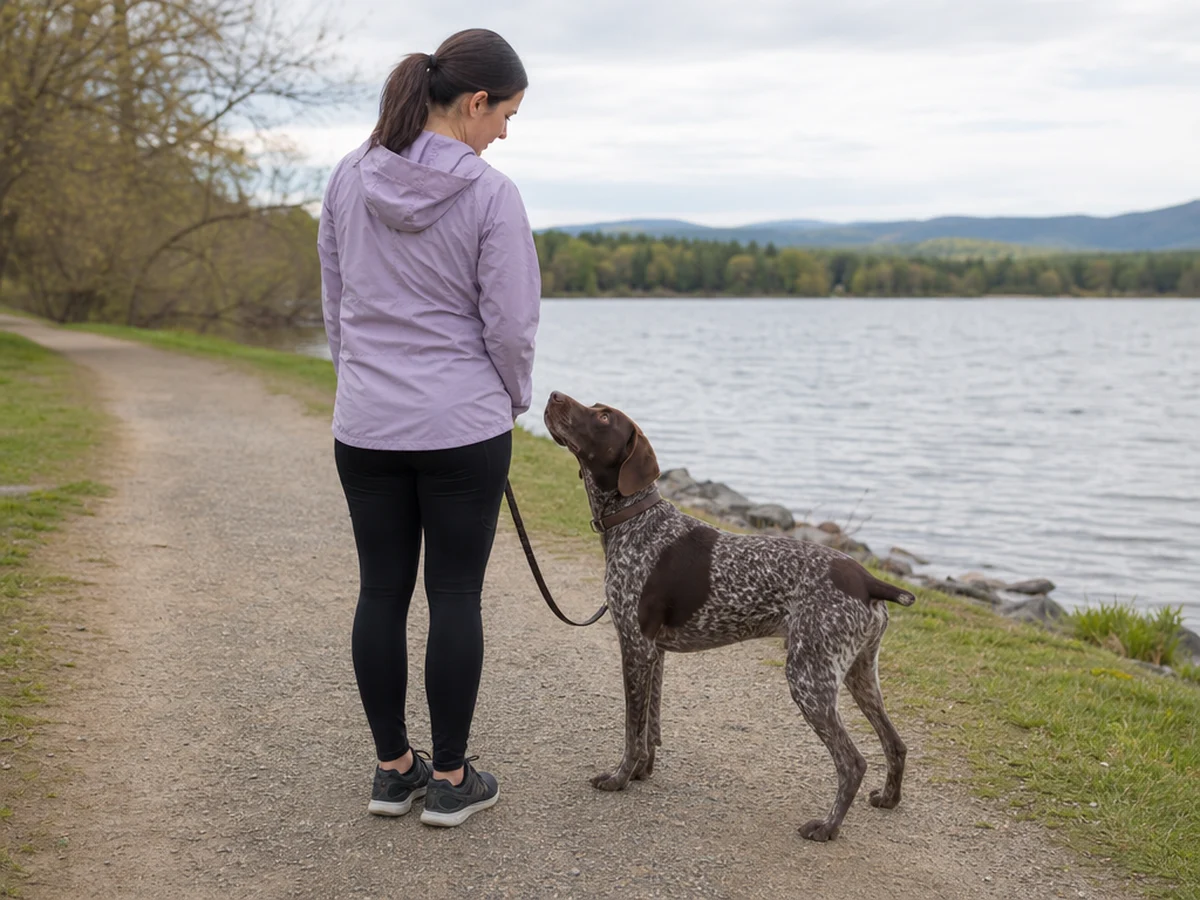
A word that works in the living room only matters if it follows your dog outside, and out there the look has to share the stage with other lessons. Each of them has its own guide, and the look supports every one in a different way:
- Recall: the guide to outdoor recall games covers coming when called, and the look is its first half, a dog whose attention is already on you at the moment you ask.
- Sniffing: the page on nose-down sniff walks explains how to give a GSP real sniff time, and a quick look fits at its edges, because the sniff is already something your dog wants.
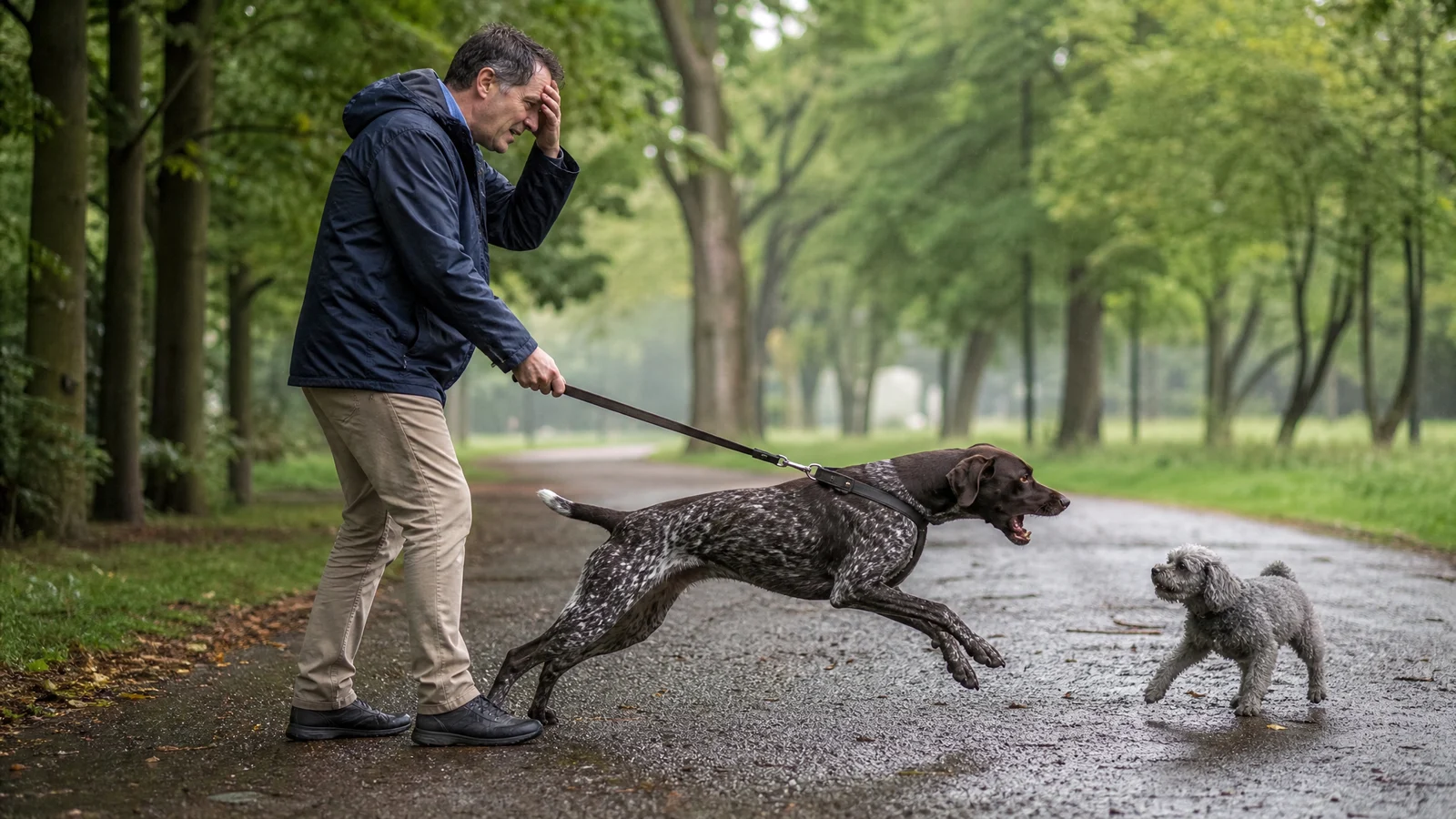
- Leash: the leash training guide covers the pulling itself, and the look is a quiet way to bring attention back to you between one thing and the next.
In none of these does the look replace the lesson itself. It is the pause that lets you tell your dog what comes next. Keep up regular vet visits, and bring it up with your vet if a GSP who usually checks in readily stops offering looks in every place, even the quiet room.
Using Your GSP's Name as a Focus Word and Fixing Leaps
Between the word and the walk, two details trip up eager dogs and their owners: whether the name can be the word, and what to do when a look arrives with a leap.
Can I use my GSP's name as the word?
You can, as long as your dog still turns when they hear it. A name that has been tuned out many times is a weak base for this lesson, though, because it already has a history of not getting a look. Pick a fresh word for the look and leave the name to do the jobs it has always done.
What if my GSP jumps up as they look?
Hold the marker until all four paws are on the floor, then mark and pay. Marking in mid-leap would reward the jump along with the look, while waiting for four paws pays a calm dog looking up at you. The jumping manners guide covers greeting habits in more detail.
Picking the Right Moment to Practice Focus
Both answers above turn on timing in the small, a marker landing at the right instant, and the same goes for the time of day you choose for practice. A GSP has a very high energy level, and a dog in that state will find it hard to notice you at all.
Choose a moment when your dog can still settle enough to look your way, such as after a sniff walk or a play session rather than before one. Pair that timing with our free e-book, a full and clearly organized read that covers what your German Shorthaired Pointer needs to learn.
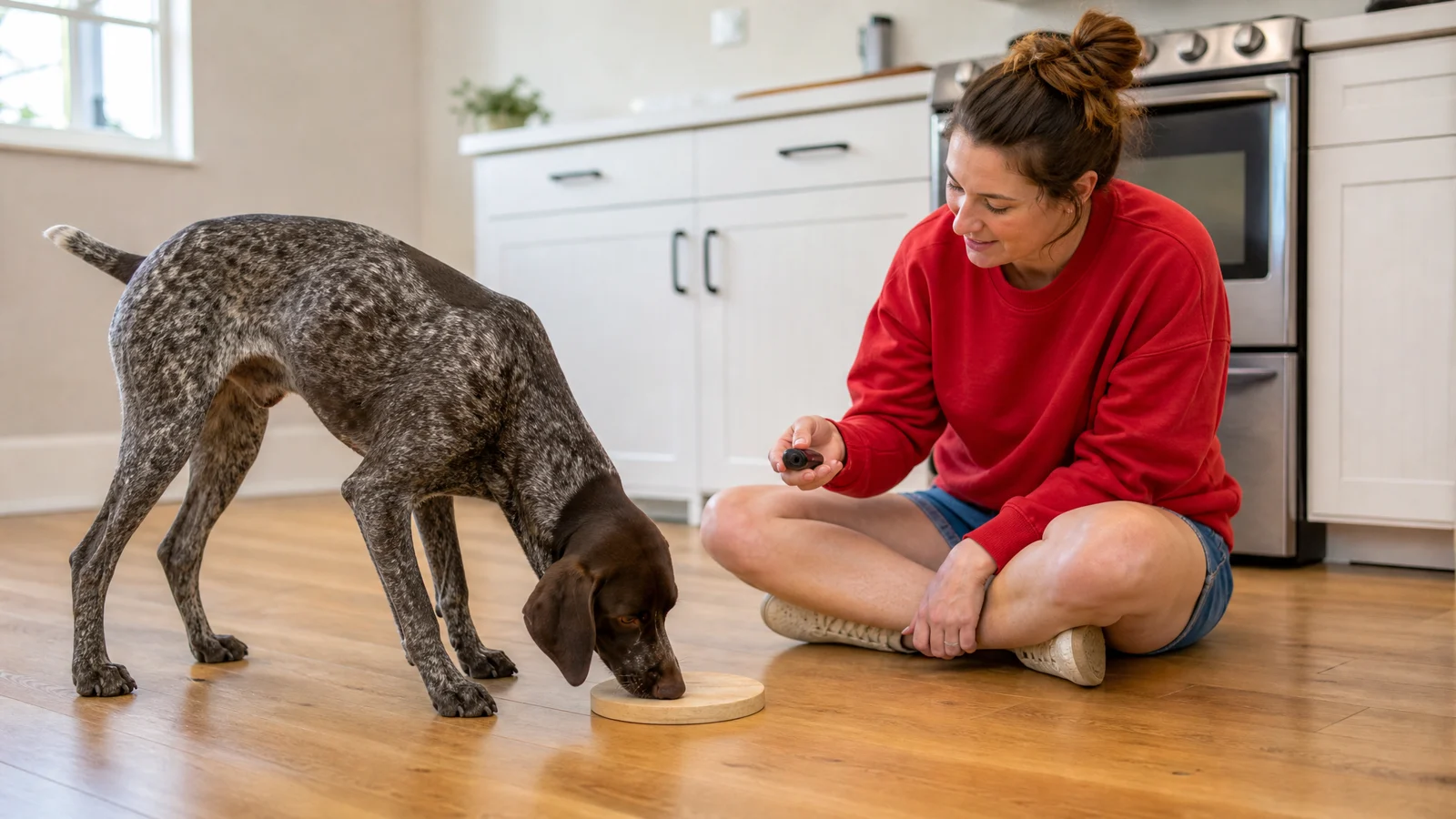 Training basicsClicker Training a German Shorthaired Pointer
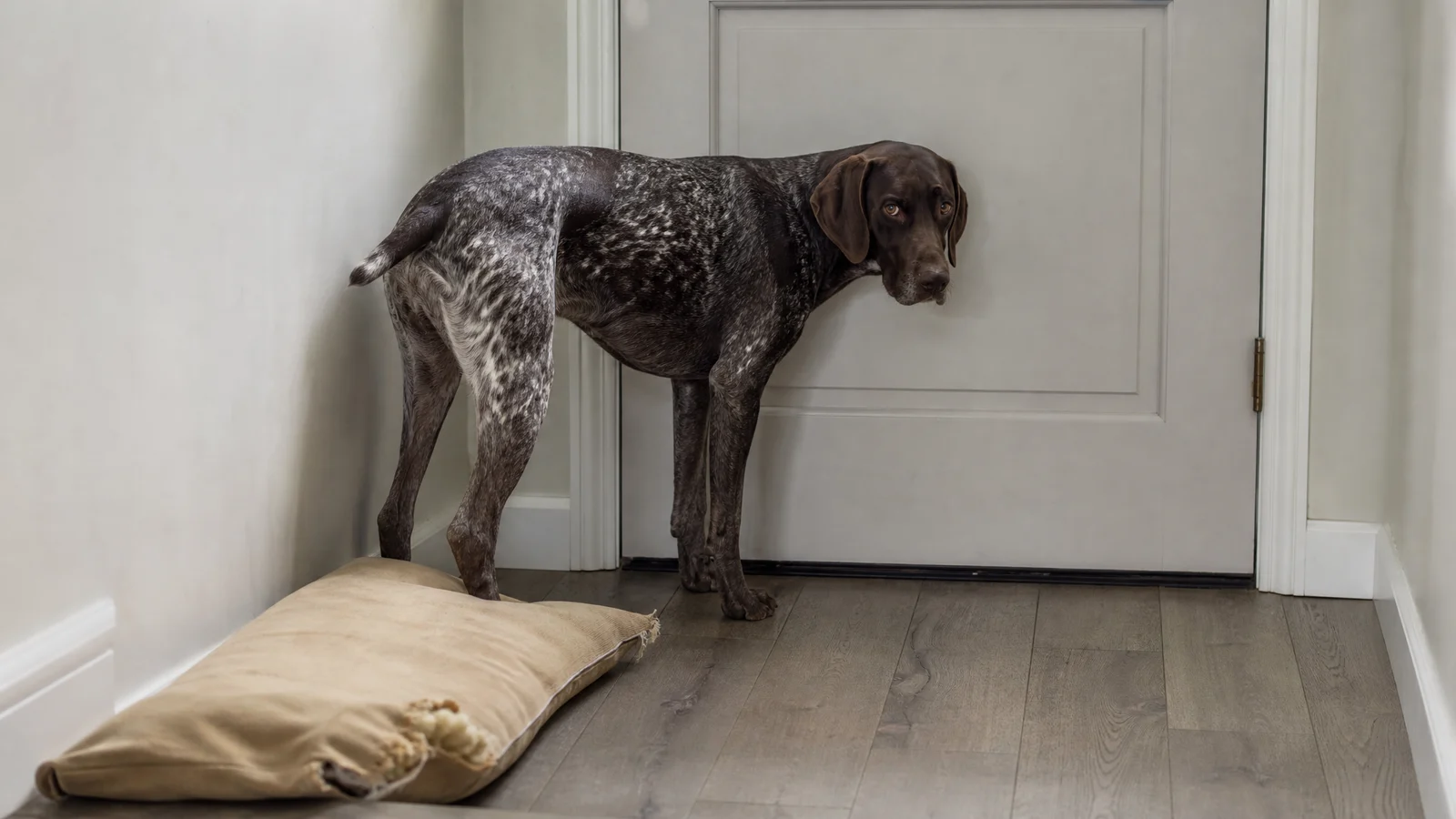 BehaviorHow to Fix German Shorthaired Pointer Separation Anxiety
 BehaviorGerman Shorthaired Pointer Leash Reactivity: What Helps
