 GSP
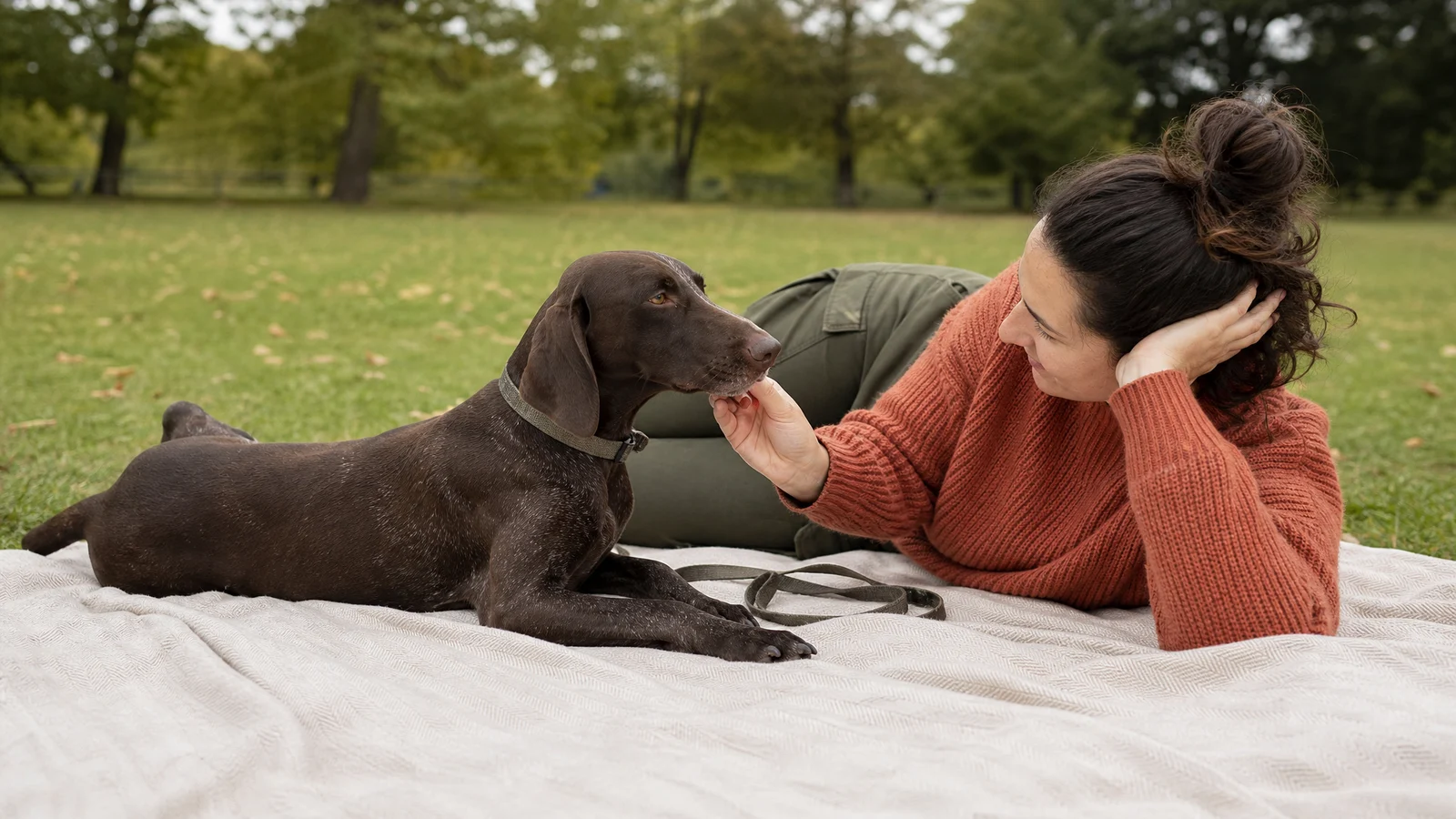
Not every familiar skill needs a harder version in the same week. An adolescent German Shorthaired Pointer may be learning to walk past new distractions, settle while visitors move and return from interesting smells all at once. If each daily situation becomes the next test, the dog gets few chances to practice something they can already do well.
A more manageable plan gives different jobs to different skills. Some stay easy, one receives a small new challenge and others remain protected by sensible management until the dog is ready.
Below, we sort adolescent training into those three parts and build a week around them. The guide also covers rewards, activity and difficult days without assuming that a birthday will restore every response. Your GSP can keep learning through adolescence while the household chooses carefully where to spend its teaching effort.
The German Shorthaired Pointer Adolescent Training Budget
Think of training effort as something you and the dog need to use selectively. There are only so many moments when you can arrange a lesson, watch closely and deliver a useful reward. Choose those moments rather than trying to improve every behavior during the busiest part of the day.
Start with the skills that affect everyday safety and comfort. A manageable walking turn, coming toward you in a secure space and resting during an ordinary task may matter more this week than adding another trick. That priority can change as the household's needs change.
| Training role | This week's job |
|---|---|
| Maintenance | Repeat a familiar response in an easy setting. |
| One small advance | Change one feature of one selected skill. |
| Management | Prevent a difficult situation while the skill develops. |
A role is not a permanent label. A skill can move back to maintenance after a busy period, or remain managed longer than expected. The purpose is to match the current task to the dog rather than interpret every change as a loss of progress.
Our GSP training foundations provide the shared cues and reward habits underneath this plan. Adolescence is a reason to use that foundation carefully, not to replace it with a different set of rules.
Training Skills Kept Easy on Purpose
Maintenance practice gives the dog useful repetitions without constantly raising the demand. Choose situations where the response is already available and reward it. An easy success has value even when the dog performed the same action comfortably last week.
Familiar Cues in Familiar Places
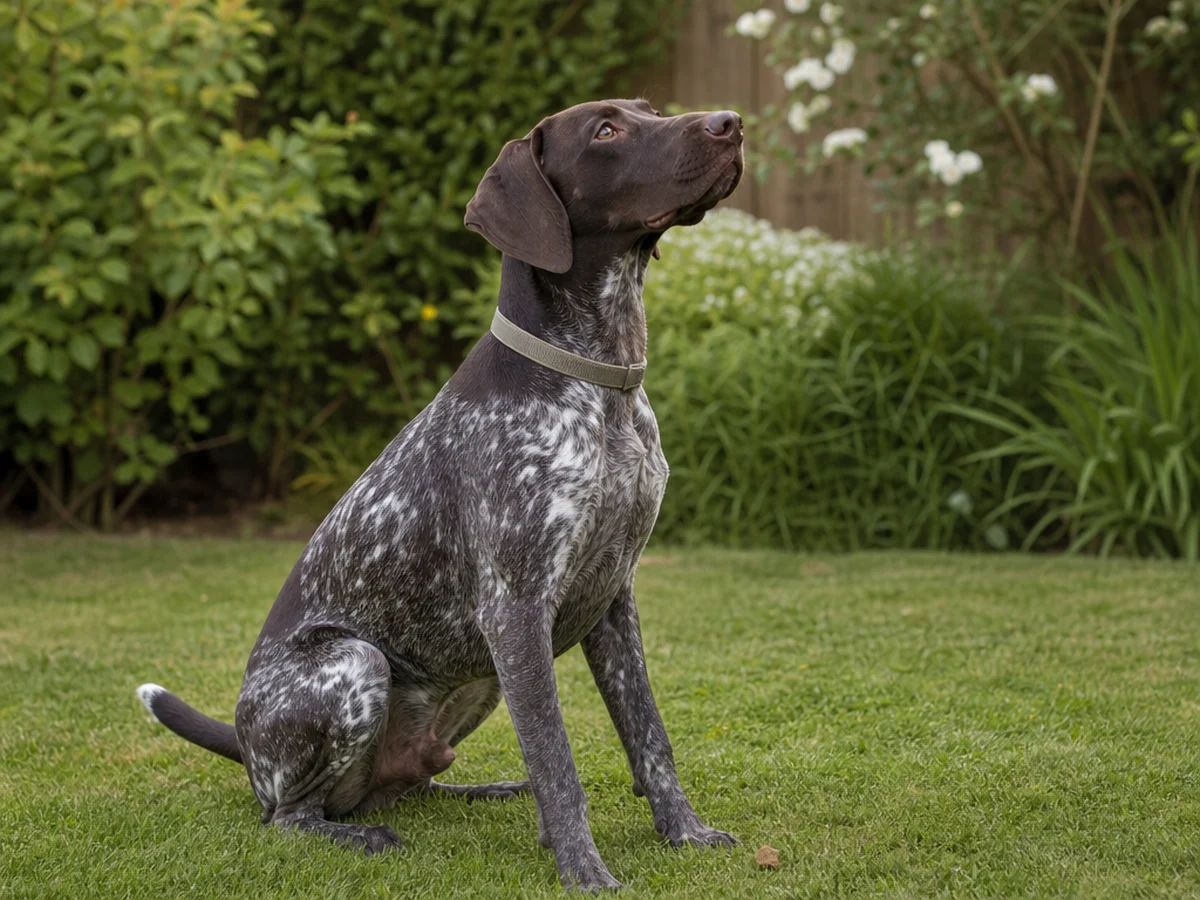
Practice a short return in the safe area where it already works, a relaxed pause before ordinary access or a few comfortable steps beside you. Keep the session brief enough that attention remains available. You are preserving fluent responses rather than testing their limits.
Use the same cue and reward arrangement the dog understands. Adding an unfamiliar handler, new location and longer wait all at once changes the exercise. If you want maintenance, keep the conditions recognizable.
Notice which easy responses remain reliable after a difficult outing. They can give the day a manageable finish without requiring another exposure to the thing that caused trouble.
Rewards That Still Matter
Check what your dog values in the current setting. Familiar food may work well indoors while a more distracting place needs a different reward or an easier task. If the dog cannot use a normally valued reward, increasing distance may help more than repeatedly offering it closer to the distraction.
The RSPCA's reward-based training advice supports making learning worthwhile. Keep rewards in the plan after the first signs of understanding. A response that worked as a puppy still benefits from reinforcement when the surrounding world becomes more interesting.
Do not make every reward more exciting. A brief toy game may fit active practice, while calm food delivery suits a resting lesson. Match the consequence to the action and the state you want afterward.
One German Shorthaired Pointer Training Project at a Time
Select one skill for a modest advance while leaving others at comfortable levels. Write the change in practical terms, such as following a familiar turn in a quieter new location. A specific adjustment is easier to teach than a general intention to make the dog more obedient outdoors.
The Change You Can Describe
Choose distance, duration, distraction or location as the main new feature. Keep the other parts familiar. If the dog already walks a short stretch near home, a slightly different quiet path may be enough without also expecting a longer walk.
Describe the starting condition before practicing. Where will you stand, what will the dog notice and where will the reward arrive? Those choices make the lesson reproducible when you return another day.
Tell another caregiver which feature is changing so they can preserve the rest of the setup. If one adult adds distance while another adds a new location, the dog may face two advances in the same day. Shared planning keeps the selected project small enough to evaluate.
A Success You Can Recognize
Decide what you will reward before asking for the response. A willing turn, a short grounded pause or a comfortable stay at a mat gives you something observable. “Be calmer” is harder to mark because it can mean several different actions.
Battersea explains how training markers clarify timing. Use that clarity for the selected project, with a reward ready when the action occurs. The first useful response should not disappear while you search for food or decide whether it was good enough.
A Smaller Version Already Prepared
Plan the easier option before the lesson begins. You might move farther from a distraction, shorten the wait or return to the familiar location. That way, a difficult response leads to a practical adjustment instead of repeated demands.
- Choose one small change to a response the dog already understands.
- Arrange enough space and time to observe the attempt without rushing.
- Reward the useful action and allow a short break.
- Use the prepared easier version if attention or comfort declines.
End after useful work rather than waiting for a final mistake. You can retain the same project across several days. Progress does not require introducing a new challenge at every session.
Management Protects Unfinished Training
Keep physical arrangements in place while the selected skill develops. A leash protects an incomplete recall, a gate manages a busy arrival and secure storage prevents repeated access to tempting belongings. These arrangements give training time to become useful.
Do not remove several protections because one lesson went well. A GSP who returns in a quiet enclosure has shown that response in that setting. Our GSP bird recall guidance explains why movement from wildlife changes the decision.
Tell other adults which situations are currently being managed. If one person opens access while another expects the barrier to remain closed, the dog receives a different opportunity from the one you planned. A clear household agreement reduces avoidable mistakes.
Management should remain comfortable and meet the dog's needs. It is not an excuse for prolonged isolation or an activity-free day. Give the GSP appropriate outlets while preventing the specific situation they cannot yet handle safely.
Review the practical arrangement when the dog grows stronger or the household changes. Equipment and barriers that suited a small puppy may no longer fit. A training plan includes checking the environment, not only practicing cues.
Exercise Alongside the Adolescent Training Plan
Maintain suitable movement, investigation and rest while you teach. More exercise is not a universal answer to distraction, and a busy dog is not necessarily ready for a harder lesson. Choose activities that fit their growth, health and ability to recover comfortably.
A scent activity can offer a separate job without requiring every outing to become a walking drill. Best Friends describes simple nose-work opportunities that can begin in controlled settings. Keep the task easy enough for enjoyment rather than using difficulty as a way to wear the dog out.
Leave room for genuine rest after activity. A dog who keeps being invited into another game may not get the quiet period they need. The household's pace can make settling harder even when physical exercise has been adequate.
- Keep ordinary bathroom, movement and social needs separate from formal lessons.
- Choose a low-demand activity after a particularly novel or exciting outing.
- Reward relaxed choices without interrupting every quiet moment.
- Adapt physical activity with veterinary guidance as the adolescent develops.
Observe the whole day before changing the exercise plan. A difficult evening may follow too much novelty, too little rest or an unmet need. Automatically adding faster play can obscure the pattern you need to understand.
A Difficult Adolescent Training Day
When several familiar responses seem unavailable, stop raising the demand. Meet immediate needs, use management and choose a quiet activity the dog can handle. One difficult day does not require a new training system.
Write down what changed around the dog. A different route, visiting people, interrupted sleep or an unusual event can help explain why the same cue produced a different response. Keep the description factual rather than deciding the GSP has become deliberately uncooperative.
If the pattern persists, ask for help. Discuss changes in comfort, movement or behavior during regular veterinary visits, and seek advice sooner when the change is sudden or concerning. A reward-based trainer can also observe whether the planned challenge fits the dog's current skill.
Be willing to pause the week's project. Maintenance and appropriate care can be enough while you resolve an uncertainty. Protecting a useful cue from repeated failure is progress toward a better next lesson.
Choose a familiar enjoyable activity once practical needs are met. Ending the day with comfortable company can be more useful than squeezing in another attempt at the difficult skill.
The Next Week of German Shorthaired Pointer Training
Review the selected project alongside the skills you deliberately kept easy. Note which condition became more manageable and which still needs support. Choose the next small change from that evidence, rather than from the adolescent's size or the age at which another dog improved.
Keep the plan small enough to repeat. Familiar successes, one clear advance and sensible management give your GSP a steady learning routine through a changing stage. The household can remain consistent while the difficulty adjusts to the dog who is actually learning today.
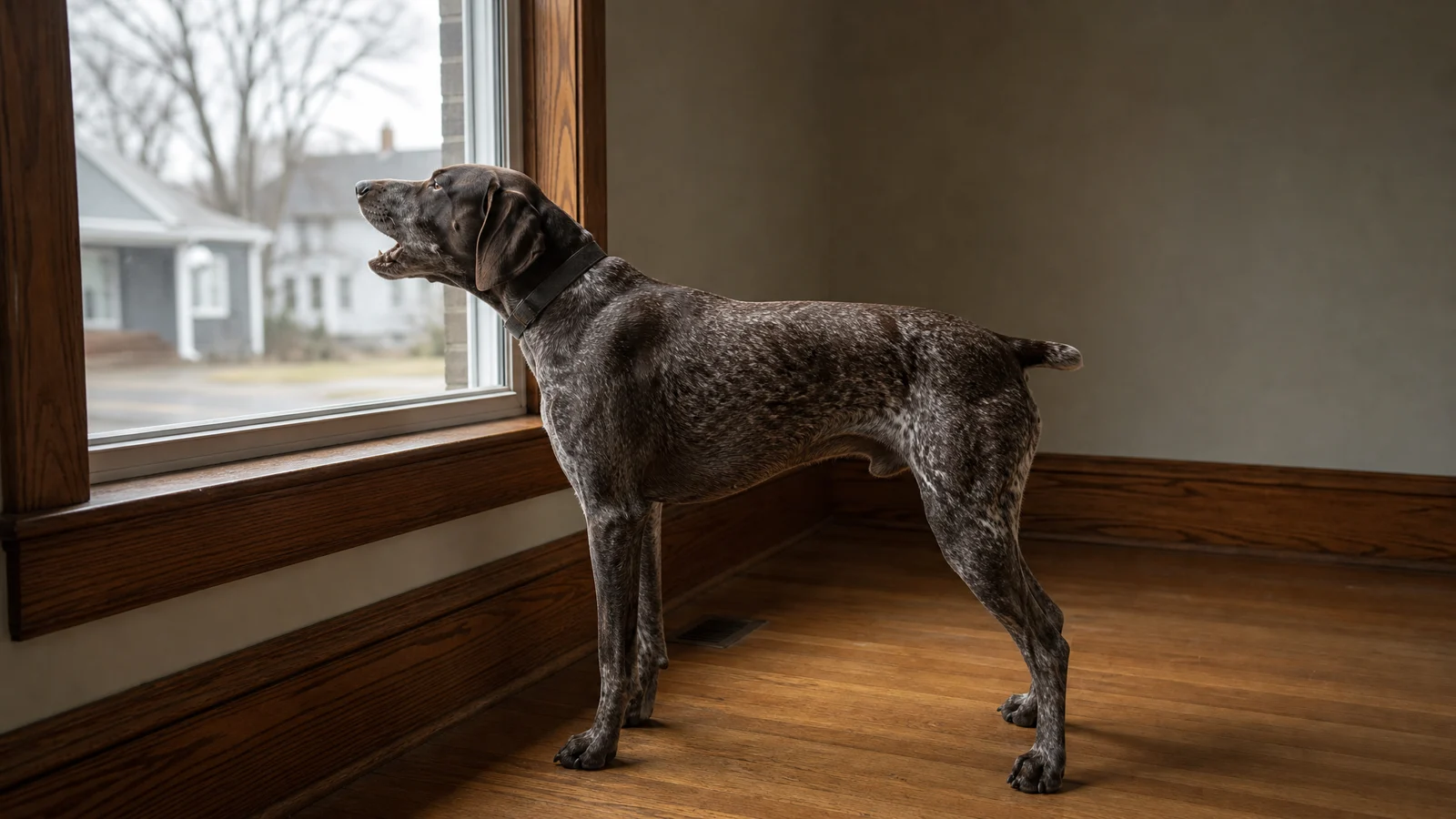 BehaviorHow to Stop a German Shorthaired Pointer Barking
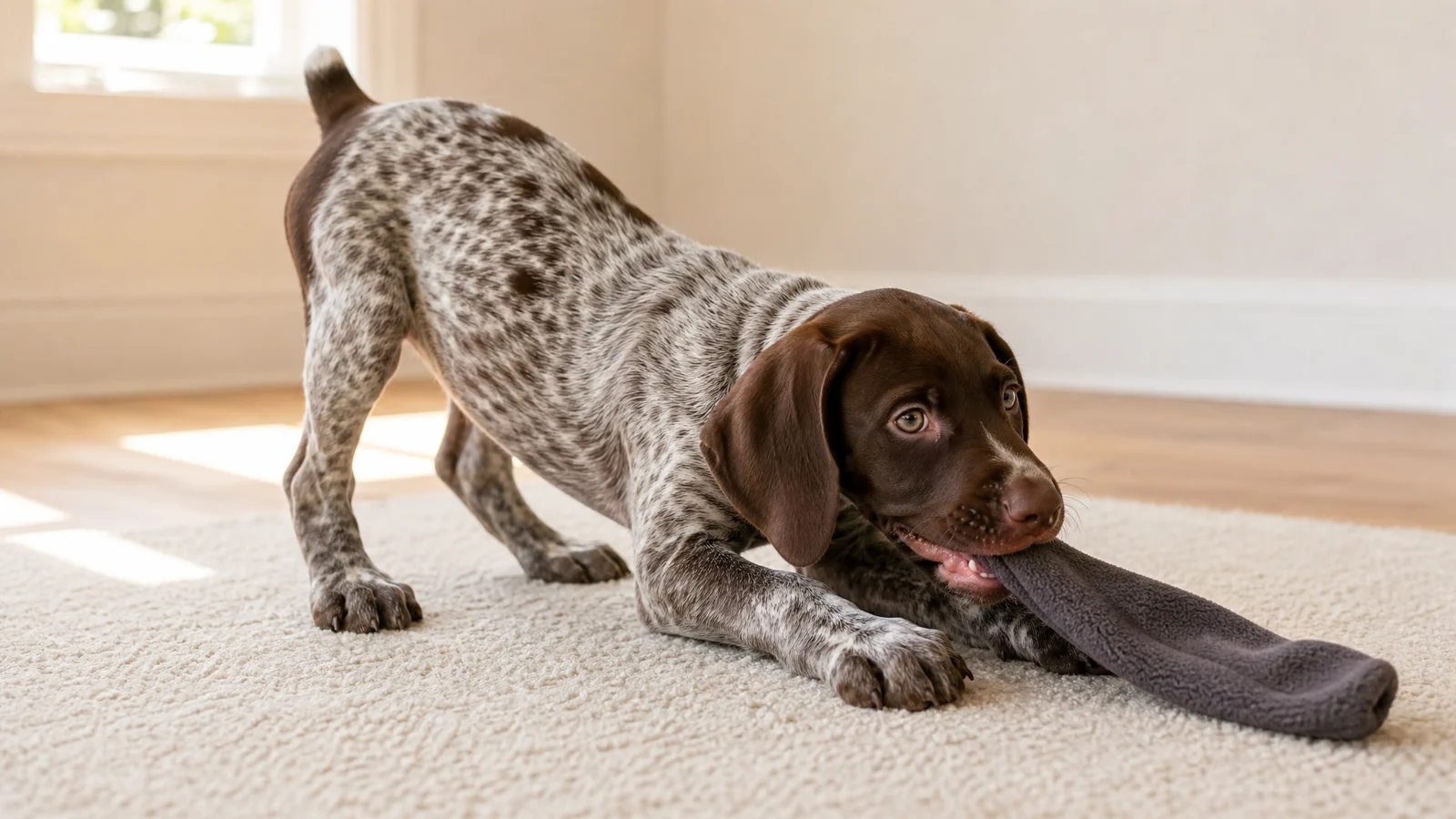 Puppy trainingHow to Stop German Shorthaired Pointer Puppy Biting
 CareGerman Shorthaired Pointer Grooming and Handling Training
