 GSP
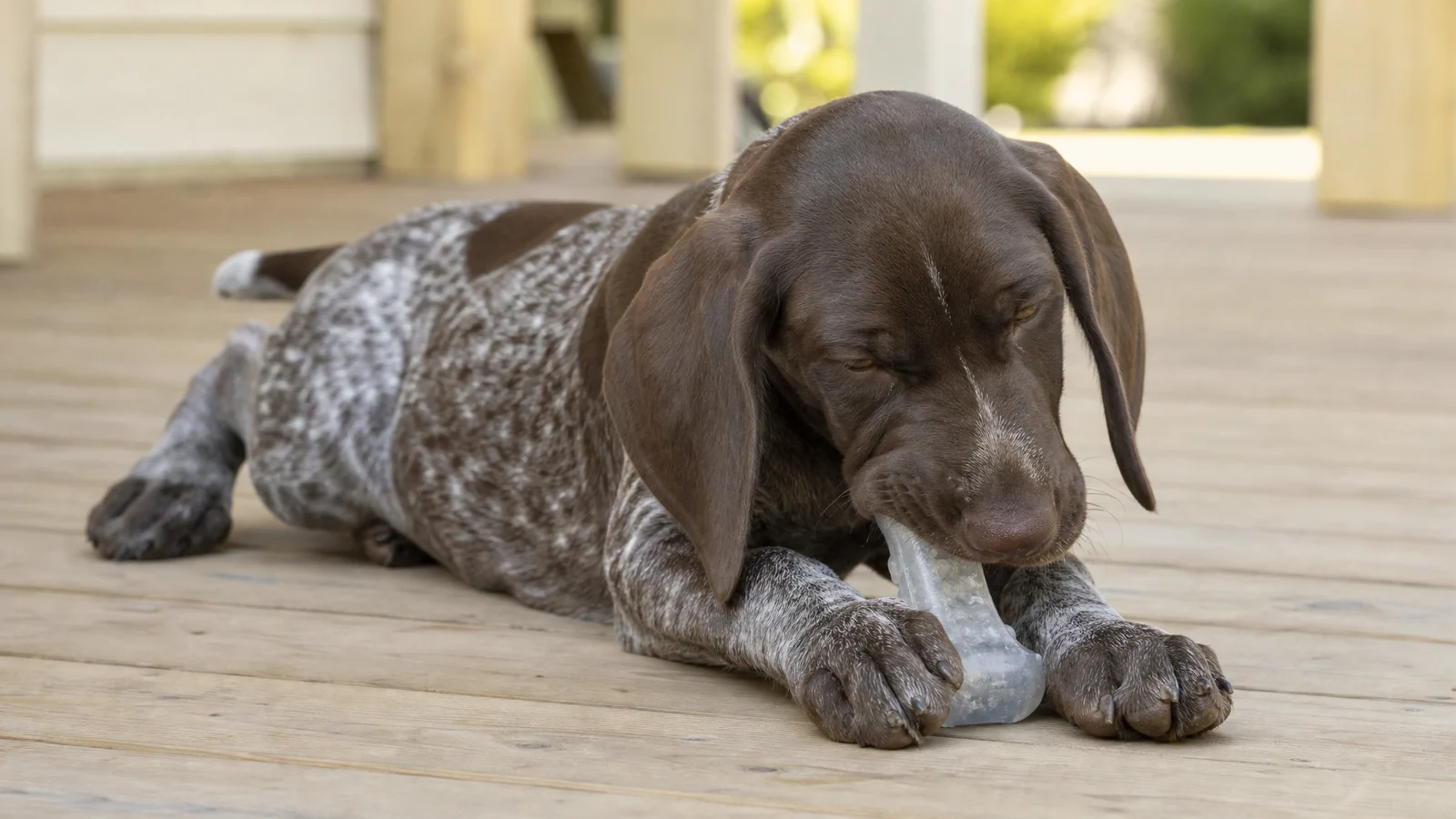
Yes, you can keep training a German Shorthaired Pointer puppy while their gums ache, and at three to four months you should. The trick is fitting short lessons around a mouth that wants to chew everything within reach.
That mouth is busy for good reasons. Adult teeth are on the way, chewing feels good, and a GSP puppy's very high energy gives all that chewing plenty of fuel. Without a plan, your shoes, table legs and sleeves end up doing the job of chew toys.
The good news comes from how the breed learns. A puppy who is keen to please can learn what to chew as fast as they learn anything else.
Read on for what is happening in the mouth, how to set up the chewing, what a short lesson looks like right now, and where to go easy until the adult teeth finish arriving.
Why a German Shorthaired Pointer Puppy Chews Everything Now
Start with the mouth, because most of what you see at this age begins there. Some of the chewing comes from teeth and some from energy, and each half needs a different answer from you.
Adult Teeth Start to Arrive
The first of the two chewing stages that dogs often go through arrives around 4 months, just as adult teeth start to come in. A puppy in this window sits at or near the front edge of that stage, which explains the sudden interest in chair legs, charging cables and your fingers. It is a normal chapter, not a sign that your puppy has turned destructive or that earlier lessons failed.
Because the stage runs for a stretch rather than a single weekend, plan around it instead of reacting to each chewed object. That one shift keeps a ruined sock from feeling like a verdict on your training.
A GSP's Energy Needs an Outlet
The other half of the chewing belongs to the breed. A GSP has a very high energy level and does best with something to do, so a puppy with nowhere to spend that drive can turn destructive, and the couch leg that sore gums were already after takes the blame.
That half answers to exercise and mental work, not teething toys. Our guide to the GSP puppy exercise mix shows how to balance walks, play and rest for a body that is still growing.
Chew Setup That Keeps a Teething Puppy Out of Trouble
With two sources for the chewing, the job comes down to one sentence: make the right chew easier to reach than the wrong one. Four habits do most of that work.
- Chews Where You Sit: Keep a rubber toy or a soft chew in every room your puppy uses, so the right choice is closer than the wrong one.
- Put away the tempting things. Shoes, remote controls and kids' toys leave the floor, because an object your puppy cannot reach is an object nobody has to take back.
- Rotate what is on offer: A toy that has been out of sight for a few days is more interesting than one that has been underfoot all week, so swap the basket's contents regularly.
- A gate, pen or crate covers the minutes when nobody can watch, and crate training a GSP explains how to make that space somewhere your puppy likes to be.
None of this asks anything of your puppy. It moves the easy wins to the right places, so there are fewer wrong chews to interrupt.
A Swap Beats a Grab
Even a good setup leaves gaps, so rehearse the swap. When your puppy picks up something off-limits, show a toy that looks better, wait for the drop, then pay with a treat and hand over the new toy. Keep the game one your puppy wins every time, because a swap that always pays is a swap they may start offering on their own.
Resist the urge to pull things from your puppy's mouth, since that can cause guarding behaviors or a dog who runs when you reach for them. Sore days call for another kind of help. Freezing a rubber toy gives gums something cold to work on, and the cold rubber will soothe them, so stay close to make sure no pieces get chewed off and swallowed.
Short Lessons for a GSP Puppy With Sore Gums
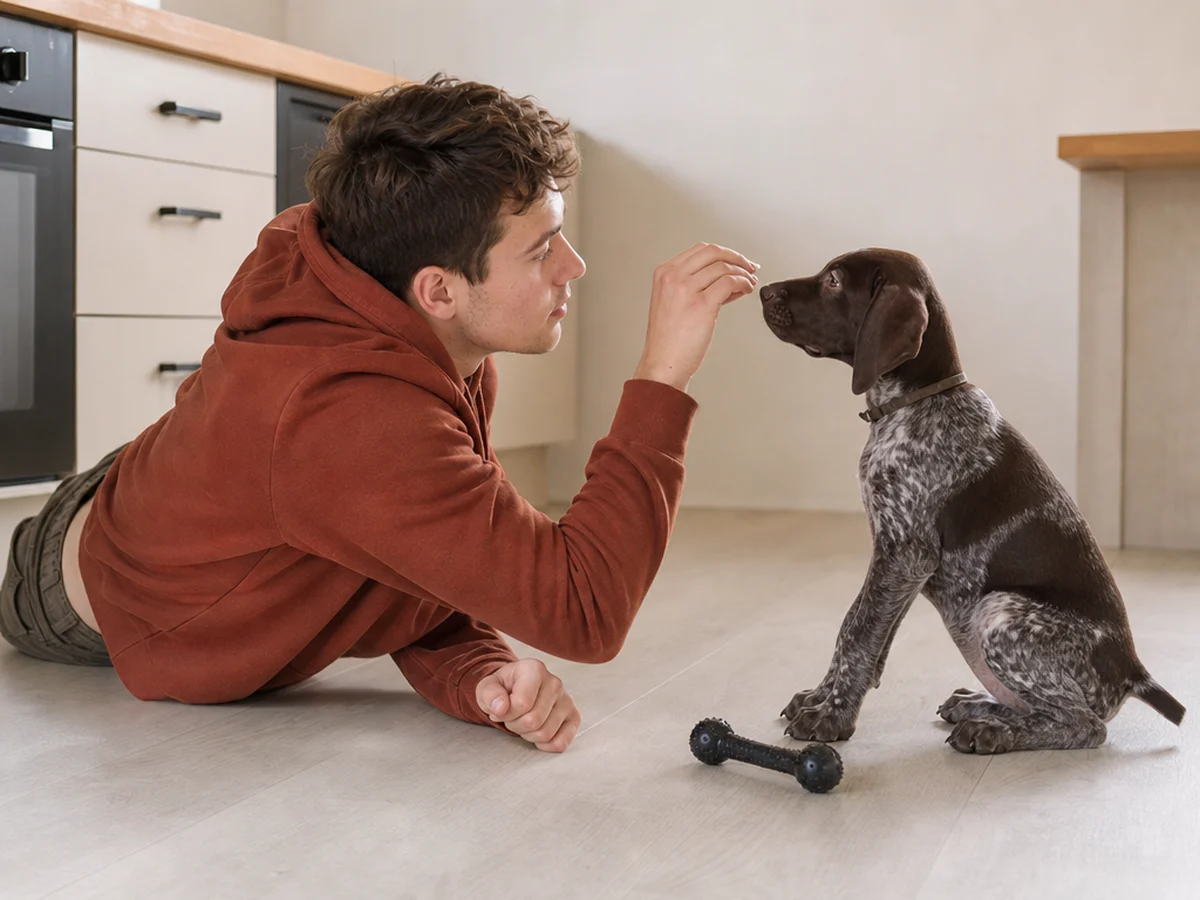
A puppy with the right chew in reach can finally spare some attention for you. Spend it carefully, because a sore mouth and a young brain both tire quickly. In our experience, lessons at this age work best when they feel like a game that happens to end well, and they tend to follow four moves.
- Take the edge off first. Start after some play, not before it, since a puppy who has spent the first rush of energy listens better.
- Ask for something familiar: Open with their name or a sit they already know, and pay it, so the lesson begins with a win.
- Add one small new piece and mark it the instant it happens, then pay right away so your puppy connects the two.
- End on the Chew: Hand over a chew as the lesson stops, so your puppy leaves with something they actually want.
Ending on the chew is deliberate. It gives the lesson a clear finish, and it turns your puppy's most pressing need, a sore mouth, into the last reward instead of a distraction in the middle.
Which skills belong in these lessons? Responding to their name, a sit, coming to you across the room, settling on a mat and accepting a gentle hand near the mouth all pay off through the day. Choose one new piece at a time and let the others tick over in daily life rather than in extra sessions. Outings and new people count as lessons too, and our guide to socializing a GSP shows how to keep them easy.
Limits for a German Shorthaired Pointer Puppy This Month
Chews and short lessons carry you a long way, but a few limits keep the coming weeks realistic. They also keep a good day from being judged against a perfect one.
Chewing will not end the day your lessons start to click. Teething is one reason dogs 3 to 6 months of age chew household objects, and with puppies the behavior may decrease in time, provided there is enough daily play and exercise and the chewing is directed to proper outlets. In other words, your setup and your exercise do the work, and time only helps when both are in place.
Skills have limits too. A sit that is easy on the kitchen floor can wobble in the yard, so expect each lesson to restart a little when the scene changes. Treat that as ordinary learning, not as a sign your puppy has forgotten.
Leave the big expectations for later. Reliable manners around company, long stretches of freedom and calm in busy places take longer to build than one round of teething, and the teenage months still lie ahead with their own surprises.
Bring the chewing and the new teeth up at regular veterinary visits, and call your veterinarian sooner if your puppy seems to be in more discomfort than the usual teething fuss.
Puppy Questions on Sore Days and New Cues
Sore gums and lesson plans bump into each other in small, practical ways. Three of those bumps change what you do next more than the rest, so each gets a short answer here.
Should we skip lessons on a sore day?
Usually you can keep the lesson and shrink it. If your puppy seems reluctant, ask for the easiest thing they know, pay well and finish early with a chew, because a short win beats a skipped day. A puppy who seems unwell rather than sore is a reason to call your veterinarian, not to train harder.
Can we add a new cue this month?
Yes, one at a time. Add the next cue only after the current one earns its treat indoors without much help, so each new word lands on solid ground. A GSP's quick mind makes it tempting to stack lessons, but a pile of half-learned cues is harder to untangle than a short list of solid ones.
Should treats change while gums are sore?
If your puppy turns away from hard treats, try smaller, softer ones for a while and keep the chew within reach for afterward. What counts is that the reward is something your puppy will happily take, whatever the package calls best.
A Lesson That Ends on a Chew
Teething hands you something most training plans never get: a puppy who badly wants a thing that is safe to give. Finish each short lesson by handing over the chew, and the work, the rest and the right toy begin to travel together, so the same sore mouth that makes lessons harder also gives them a good ending.
The sore mouth will pass, but your puppy's list of things to learn keeps growing, and our e-book, offered at no charge, sets out all of it clearly enough to follow between chews. Joining the list here brings it to your email.
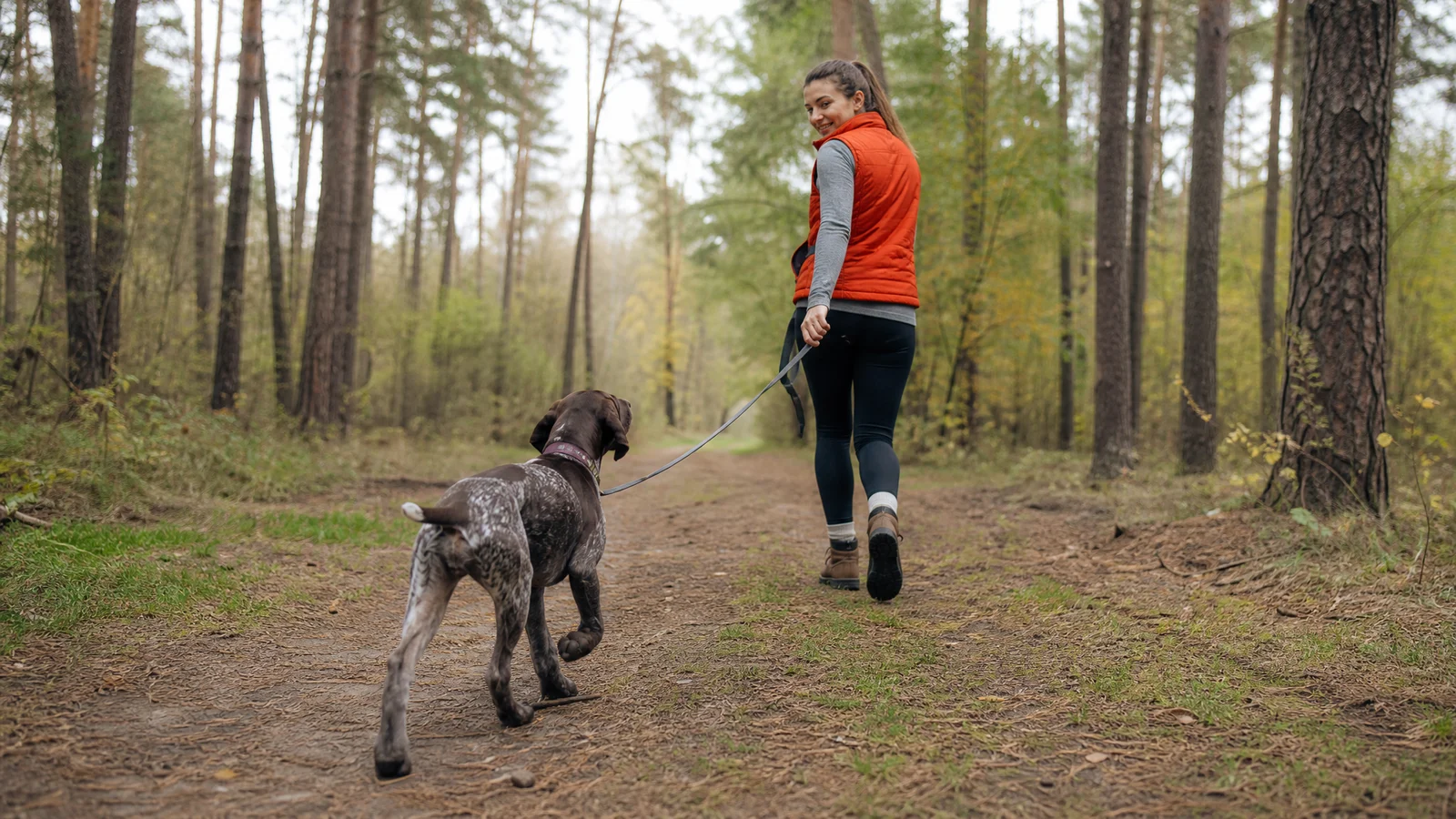 Puppy trainingGerman Shorthaired Pointer Puppy at 4 to 6 Months: What Changes
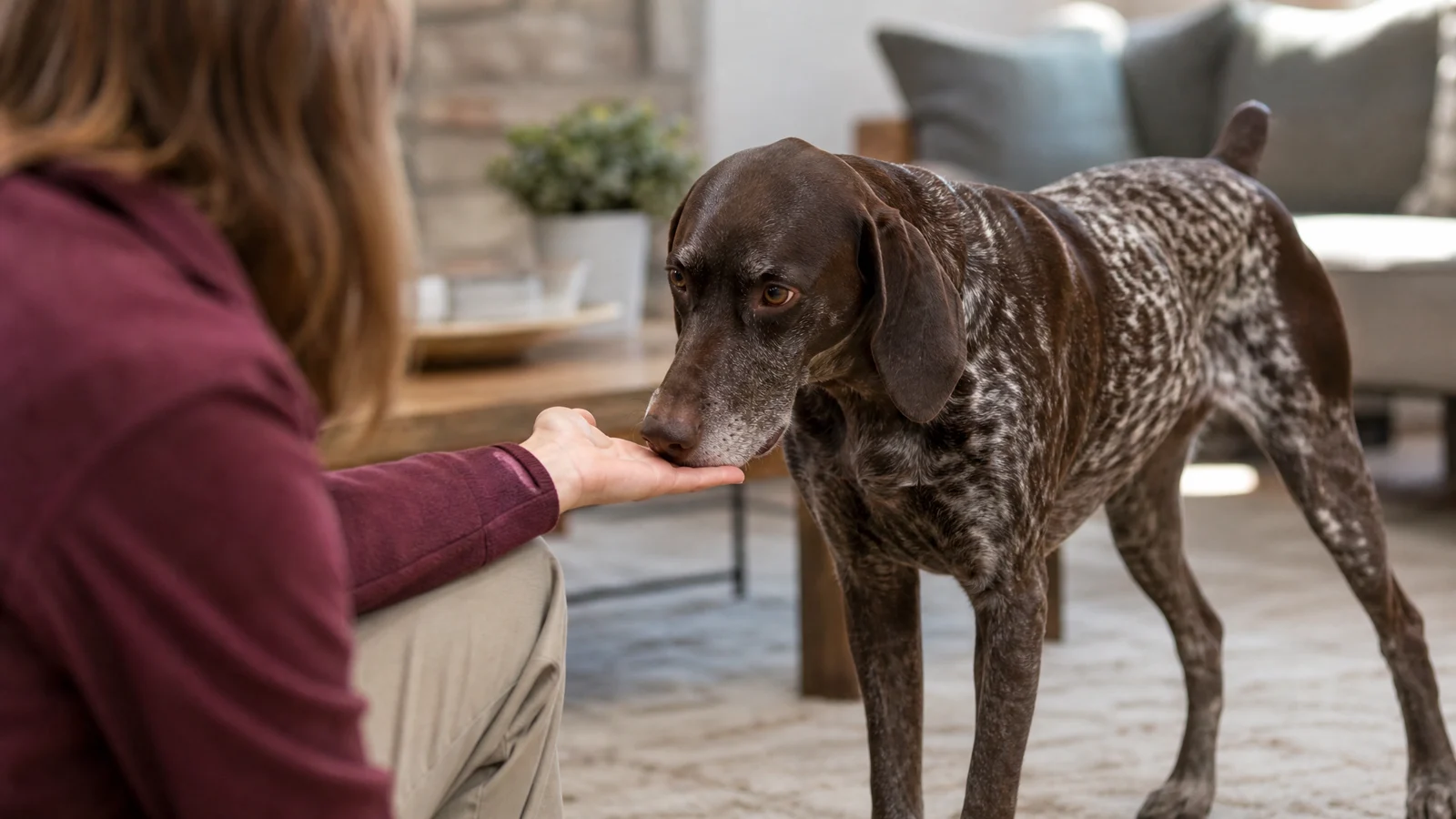 BehaviorTraining an Older or Adopted German Shorthaired Pointer
 Puppy trainingHow to House Train a German Shorthaired Pointer Puppy
