 GSP
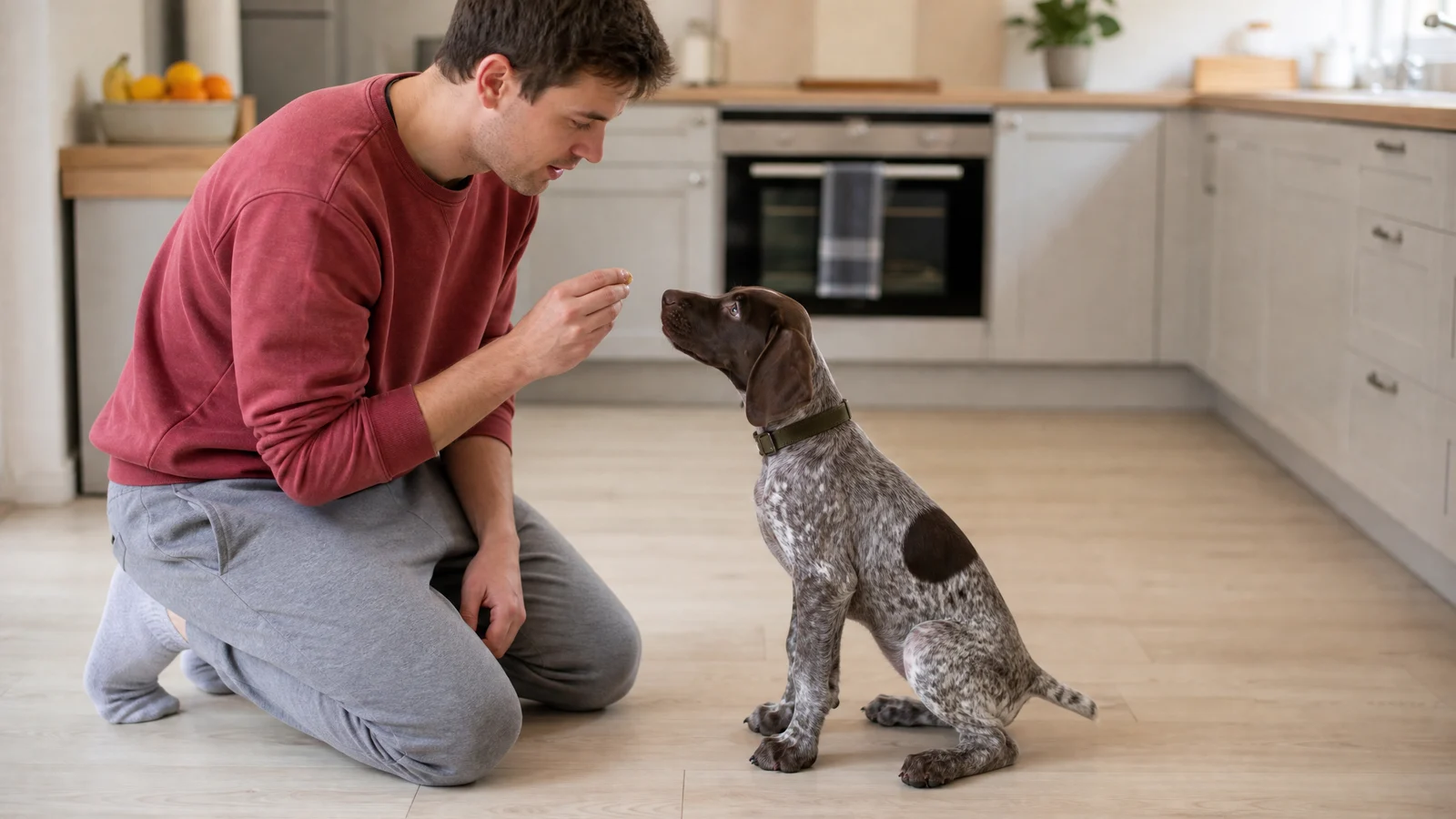
A German Shorthaired Pointer puppy usually arrives at eight weeks, house training can click in days or drag on for months, and the stretch widely described as extremely challenging starts around six months and can run to three years. Timing is the real question for owners, and the answer is that training starts the day the puppy walks in, in very small pieces.
That matters more with a GSP than with most breeds. These dogs learn quickly and carry enormous energy, so the habits built early are the ones that carry you through a teenager who suddenly forgets their own name. In this article, we'll go through settling in during the first weeks, the socialization window, which skills to teach and how long to practice them, and what adolescence demands.
Starting Puppy Training at Eight Weeks
Begin the day your puppy walks in, and keep every session tiny. The usual advice to let a puppy settle and grow up before asking anything of them gets this breed wrong. GSPs learn fast with consistent practice, which also means they learn jumping and mouthing fast if nobody teaches anything better.
House training is the first real test, and the pace varies wildly. Many GSP puppies get it in days or a few weeks with almost no accidents afterward. Others need many months, and apartment or high-rise living, with an elevator and a long walk standing between puppy and grass, often stretches it. Some puppies slip backward and need a restart around nine months, so treat early success as provisional.
Making House Training Predictable
Predictability beats optimism, and a few habits do most of the work:
- Take the puppy out very often at the start, as often as every 30 minutes, and hand over praise or a treat the moment they pee outside, not after you are back through the door.
- Run meals and water on a schedule, and feed in the crate, so you can guess when the next trip is due instead of being surprised by it.
- Teach a signal early. Owners hang a doorbell by the exit or use a recordable outside button, and some puppies were using theirs while still very young.
This is general information about timing meals and water, not a feeding plan for your puppy. Check with your veterinarian before changing how much or when your puppy eats or drinks, and keep regular vet visits on the calendar through the growing months.
The Crate From Day One
Many owners lean on the crate as a core early tool. The setups that work use clicker or Crate Games methods, a smaller crate with meals served inside, and a scheduled crate nap routine three times a day. Some GSP puppies protest with crying, barking and howling at first, so expect an adjustment period and keep the sessions short and rewarding. Noise at eight weeks is a puppy's opinion, not a verdict on your plan.
Socialization Window in Puppy Training Closes Around Sixteen Weeks
Socialization works best between 3 and 14 weeks, the stretch when puppies absorb the most from the world around them. A puppy who comes home at eight weeks has only a handful of weeks left, so the verdict is blunt: spend them. Aim for plenty of people, surfaces, sounds and places while the window is open, and keep each one short and pleasant.
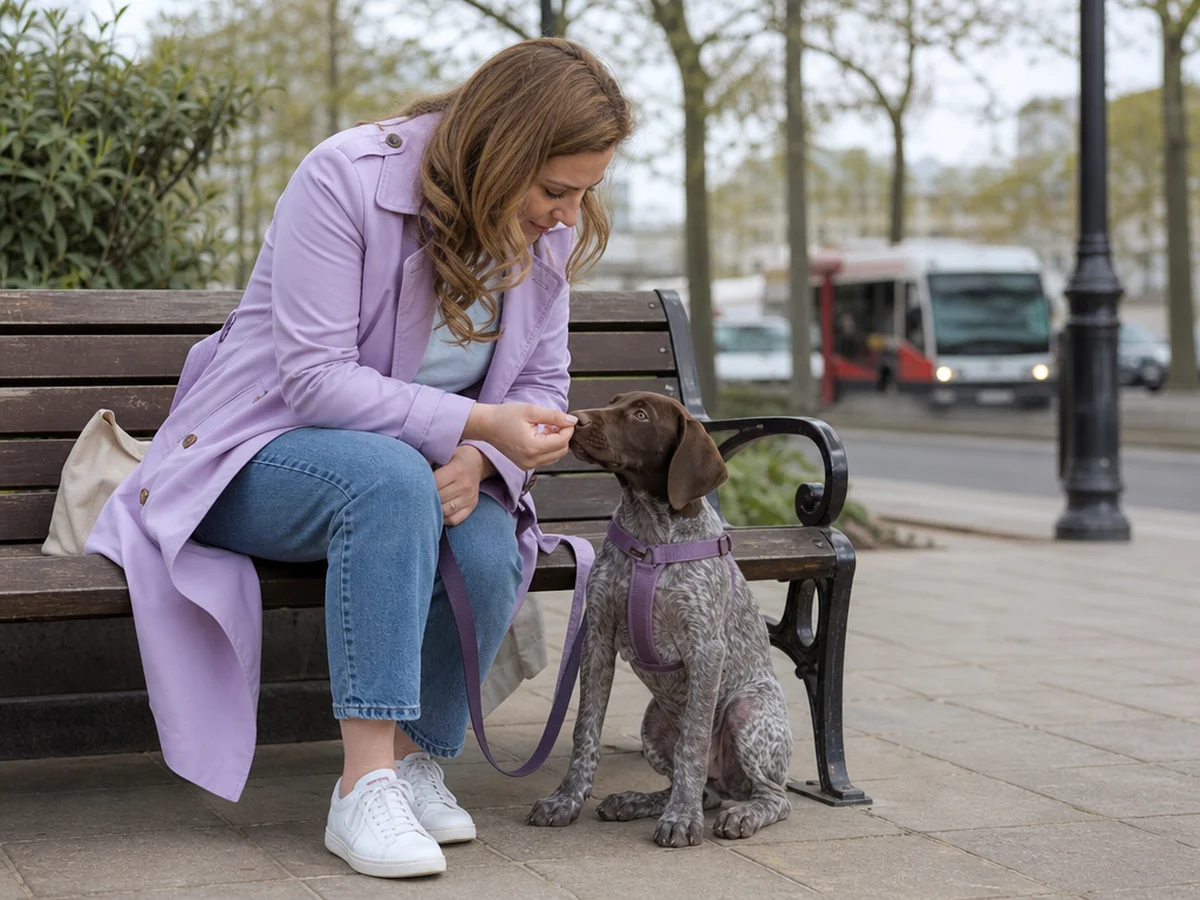
GSPs rarely have the opposite problem of being aloof. They tend to be open to strangers, playful and fine with other dogs, so the risk is a puppy who learns that every person and dog is a party and hauls you toward the next one. Skip the advice to let your puppy greet everything on the street. Reward them for noticing a new person or dog and staying relaxed, and move on.
- Let your puppy watch traffic, bikes and joggers from a distance, with treats for staying loose.
- Introduce a few calm, friendly people at a time, and let the puppy approach rather than being passed over.
- Walk them across different floors and surfaces, from tile to grass to a rubber mat.
- Play everyday noises at low volume and raise it slowly over several days.
- Let them leave anything that worries them, then try again from farther away.
Classes may be out of reach until vaccinations are finished, and many owners trained largely on their own in that gap, with family help and positive-training videos. Ask your veterinarian which outings are safe for now. A good-enough window still pays off for years.
Reward-Based Puppy Training Skills for a German Shorthaired Pointer
Teach skills in the order your daily life needs them. The breed rates at the top of the scale for trainability, and the UKC standard's key word is versatility, so a GSP can learn nearly anything. Even so, a puppy with dozens of tricks and no ability to settle is a worse housemate than one with a handful of solid habits.
- Name response: say it, reward eye contact, repeat. A puppy who looks at you is a puppy you can steer.
- Sit with a marker word or clicker. Several owners use a clicker for the basics, and it gives you a clean tool to return to later.
- Settle: teach calm indoors from the start. Owners who skipped it describe a young dog who fought relaxing hard, so reward lying on a mat while you move around the room.
- Loose-leash walking: stop and wait for a sit when the leash tightens, or turn the other way. Accept very slow walks at first for the long-term payoff.
- Recall: pay with something spectacular and never call your puppy for something unpleasant. Some GSPs turn independent around distractions like game scent, so recall is ongoing work, and strong prey drive means secure areas only.
- Handling: touch paws, ears and collar, each paired with a treat, so vet visits and grooming stay easy.
On rewards, use both food and play. Food is best for precision and for hard moments like recall, while play and attention suit a breed that is happiest with loving attention and lots of games. A quick tug or a ball thrown after a good recall pays as well as any treat, and it spends a little energy too.
Puppy Training Session Length That Fits Each Month
A willing GSP will keep saying yes long after their brain has stopped absorbing anything, so you have to be the one who stops. The table gives a verdict for each stage, and the rule underneath is simple: end while the puppy still wants more.
| Stage | Session length | Verdict |
|---|---|---|
| Eight weeks through the early months | A minute or two, many times a day | Several tiny wins beat one slog. Stop while the puppy is still keen. |
| Early months to about six months | A few minutes, several times a day | Add one new skill at a time and fold practice into meals and walks. |
| Six months onward | Short sessions, plus practice woven into outings | Go back a step when focus drops, and raise the exercise rather than the drilling. |
| The second year | Brief daily practice | Make the places harder, not the sessions longer. |
Exercise belongs in the same plan, because a GSP with energy to burn cannot learn anything. Plan two exercise sessions a day plus mental work. Many owners of adult dogs report one to two hours daily, often off-leash, and dogs without enough become wound up and unable to settle at night. A growing puppy is not an adult, though. Keep outings puppy-paced, let them stop when they want to, and ask your veterinarian what amount and kind of exercise suits their stage.
Exercise and training keep each other honest. A tired puppy listens better, and a puppy who has worked their brain sleeps better.
German Shorthaired Pointer Puppy Classes Earn Their Place
Yes, go. Puppy classes and socialization are vital for this breed, and a class gives your GSP something home cannot: other puppies, other people and a room full of distractions to learn around. It also gives you a trainer who can spot a habit forming before it sets. The benefit is real even for owners who have trained dogs before, because an energetic, clever puppy tends to outpace a handler's plans.
The quality of the class decides the value, so shop for it. Check these before you sign up.
Look for rewards only, with treats, toys and praise as the whole toolkit, and a trainer happy to explain every method. Groups should be small and sorted by age, so your puppy is not flattened by a much bigger dog. Play should be supervised and interrupted calmly when it gets rough, rather than left to run.
The lessons should also cover settling and polite greetings, not only sit and down.
If a group is too much for your puppy, or later for an overexcited adolescent, nose work classes are worth a look. Instructors work one dog at a time, so these classes suit dogs who struggle around other dogs, and scent games give this nose-driven breed a real job. Whatever you pick, practice at home in between.
Adolescence Tests a German Shorthaired Pointer Hardest
The breed can be extremely challenging from six months to three years, and owners agree. The puppy who came when called now wanders off after a smell, house training can wobble, and the dog who nailed every cue in the kitchen acts as if the park is a different planet. Some dogs still pee when excited at greetings well past their second birthday. None of that means your training failed.
The right response is patience and consistency. Patient, reward-based training brings an adolescent dog through the phase well behaved. Owners describe the same fix again and again: go back to basics, use the clicker, and hand-feed meals as training rewards for a while. It looks like a step backward and works faster than arguing with a teenager.
- Keep training, in shorter sessions with better rewards, and practice in easier places before returning to hard ones.
- Keep your puppy on a long line near distractions until recall holds up, because their prey drive does not take days off.
- Keep exercise high. Adult and older GSPs stay as energetic as ever, so a teenager will not run down by being ignored.
- Keep rewarding calm. Quiet time on a mat is a skill, and teenagers need it more than puppies do.
Expect to be tired of it long before they are. The reward comes later.
Two Years of Steady Puppy Training Pays Off
The overall verdict on the two-year picture is encouraging. Start at eight weeks, socialize hard while the window is open, keep sessions short, and hold your nerve through adolescence. The GSP's needs are simple, if demanding: a very high energy level, top-scale needs for mental stimulation, and a strong preference for working with you. Meet them, and you get a friendly, trainable dog. Skip them, and a GSP will invent a job, usually involving your furniture.
Questions owners tend to ask next are covered elsewhere on the site.
How much running, hiking and brain work a growing GSP really needs is covered in our exercise guide. Training an older puppy or adult dog, including crate routines and settling, is laid out in the complete GSP training guide.
How the temperament plays out around children and visitors, and why a friendly dog still needs manners, is explained in the GSP temperament article.
Keep your veterinarian in the loop as the puppy grows, and let steady, reward-based practice do the rest.
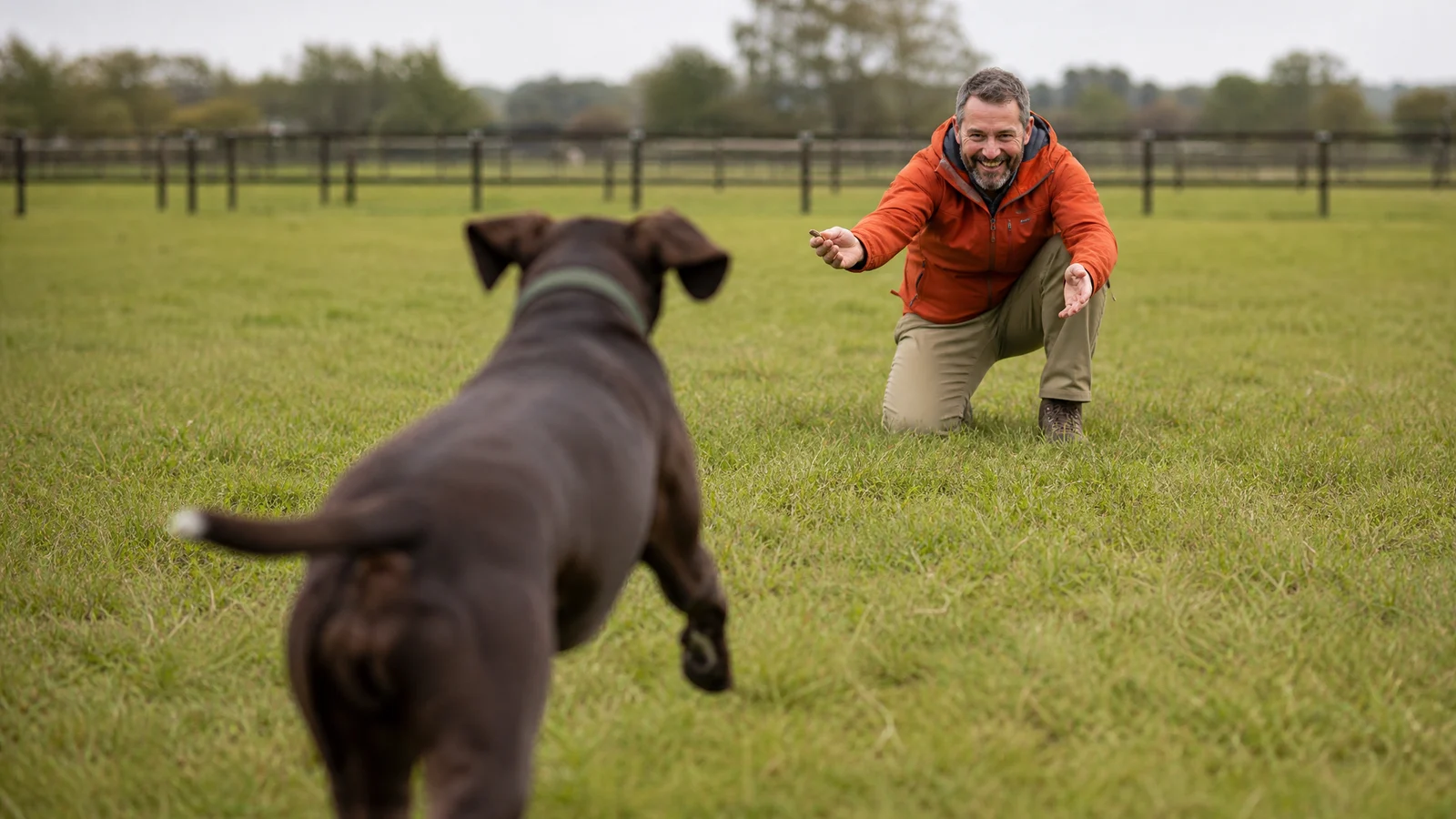 Exercise and jobsSafe Outdoor Recall Games for a German Shorthaired Pointer
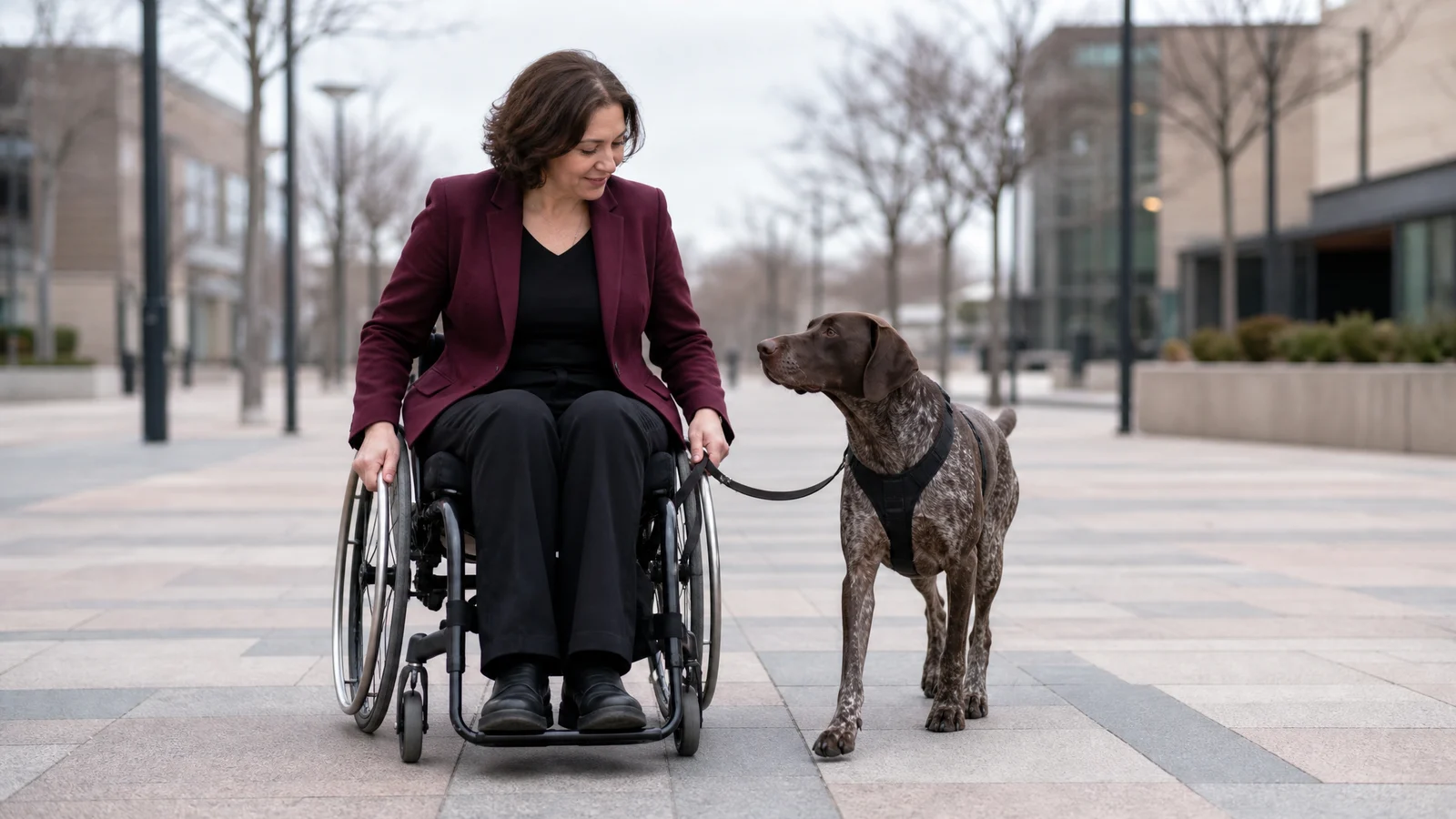 Exercise and jobsCan a German Shorthaired Pointer Be a Service Dog?
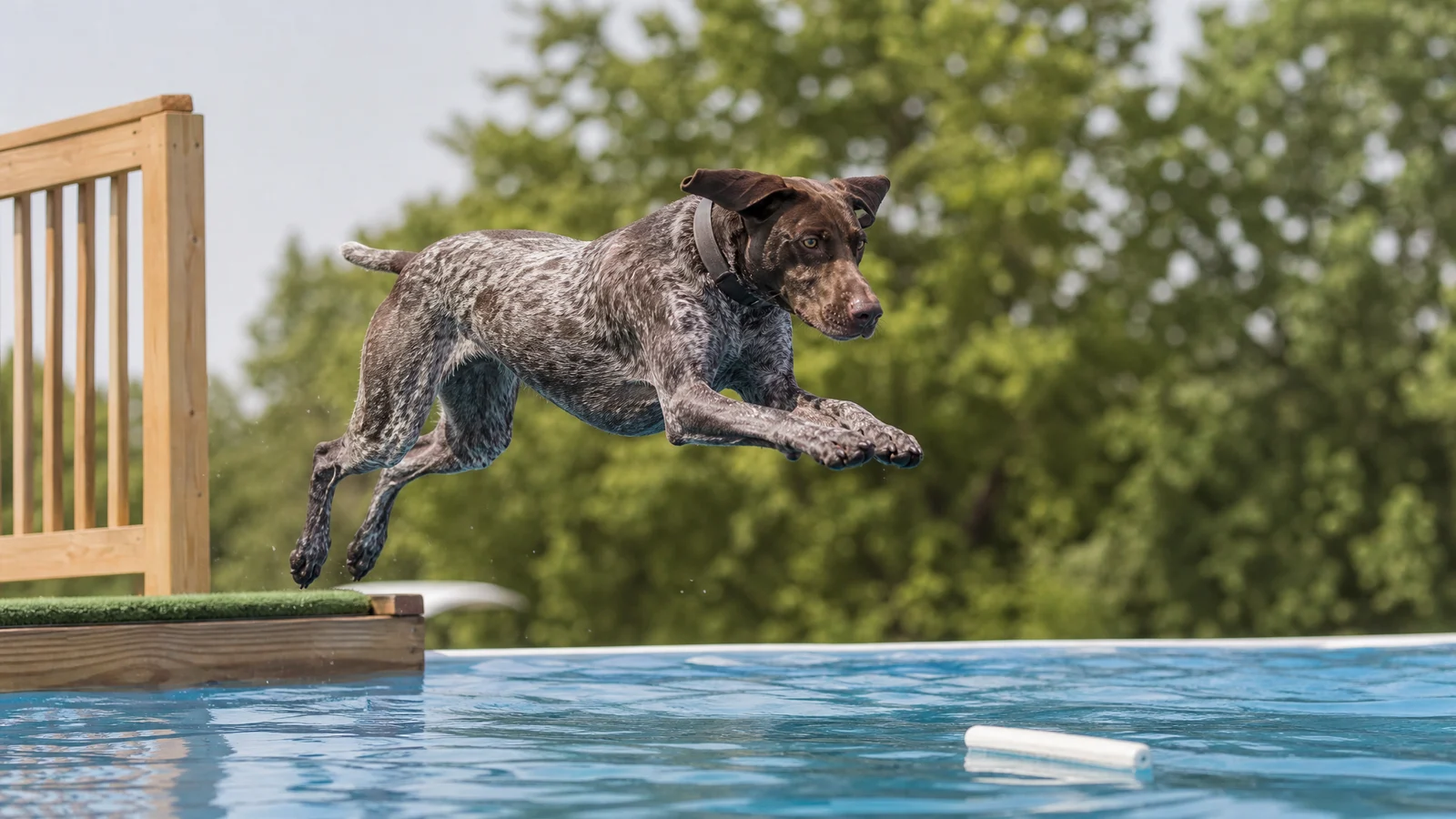 Exercise and jobsSports and Jobs for an Athletic German Shorthaired Pointer
