 GSP
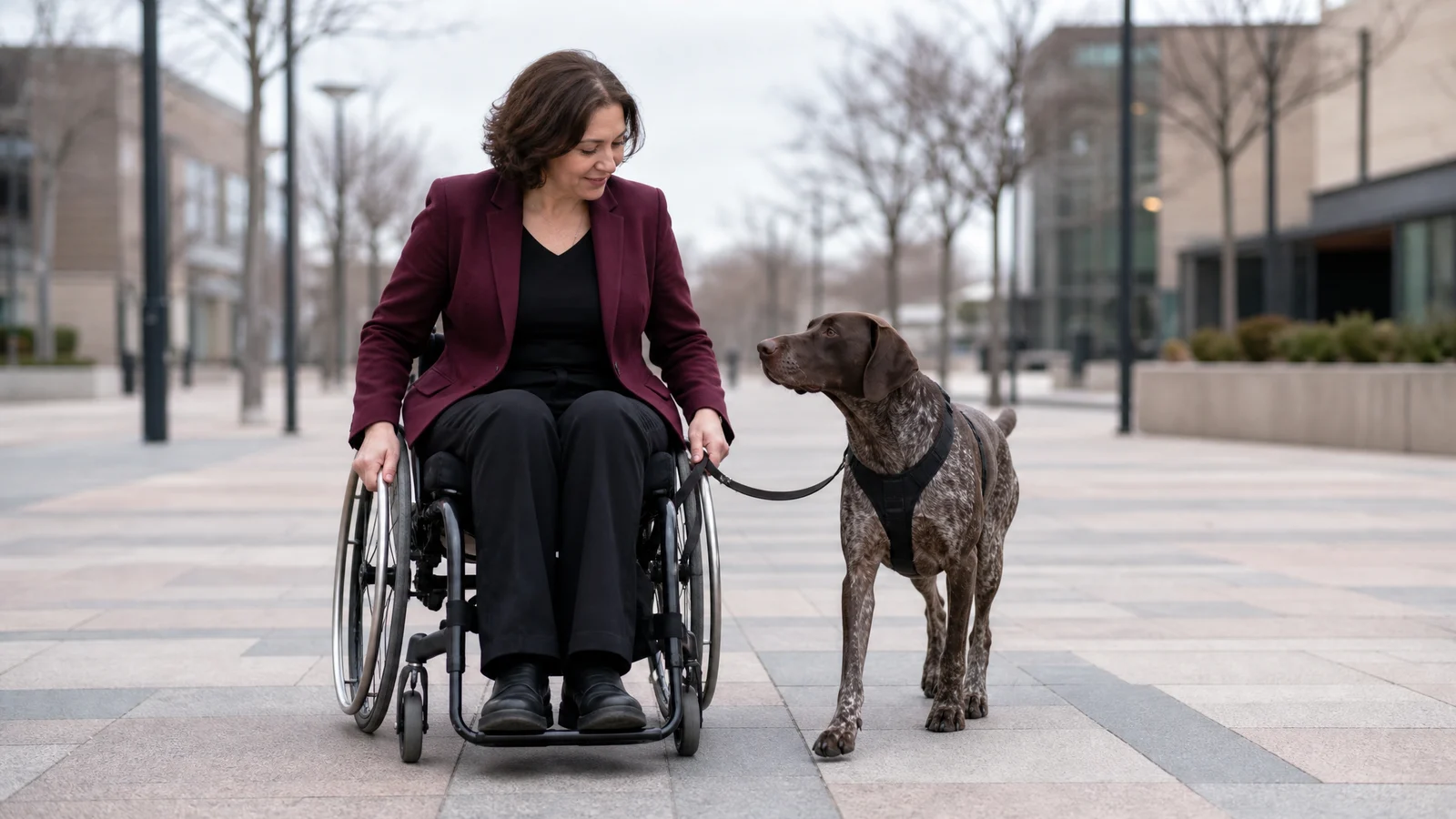
Can a German Shorthaired Pointer be a service dog? An individual GSP may be a candidate, but the breed name cannot promise suitability. Eagerness, affection and trainability can help, while high activity needs, strong interest in the environment and a demanding adolescent period can complicate the picture. The decision belongs to the dog, the handler and the work expected of them.
We will look at temperament, energy, adolescence, public composure, foundation training and the point for a qualified professional evaluation. Our position is deliberately cautious. A service dog label should follow evidence from the individual dog's behavior and learning, not a broad claim that this breed always succeeds or never can.
The German Shorthaired Pointer Is Not a Verdict
The first myth is that a capable breed is automatically a suitable service dog breed. Capability is only a starting point. A dog may learn quickly at home and still find sustained composure in busy places difficult, while another dog of the same breed may recover easily and remain connected to their handler.
The UKC calls versatility the key word in its breed description. That supports a broad capacity for varied activity, not a guarantee about service work. Suitability requires a closer view of attention, recovery, comfort and consistency across the environments relevant to that individual.
It also helps to keep different animal roles distinct. The AVMA's role overview separates service, emotional support and therapy animals and notes different legal standing. A friendly therapy prospect, a comforting companion and a service dog candidate are not interchangeable labels.
Ask About the Individual, Not the Average
Observe what happens when novelty appears. Does the dog notice and return attention, or remain absorbed in the environment? Can they settle after activity, accept a reward calmly and resume familiar cues? Those responses say more about present suitability than an enthusiastic description of the breed.
Individual screening should also remain open to a no. A dog can be intelligent, loved and well trained while being a poor match for a specific role. Choosing another path protects the dog's welfare and the handler's need for dependable support.
Training Assets of a German Shorthaired Pointer
A willing learner gives foundation work momentum. German Shorthaired Pointers are described as intelligent and eager to please, and many enjoy active engagement with their person. Reward-based lessons can use food, play and access to appropriate movement to make thoughtful behavior valuable.
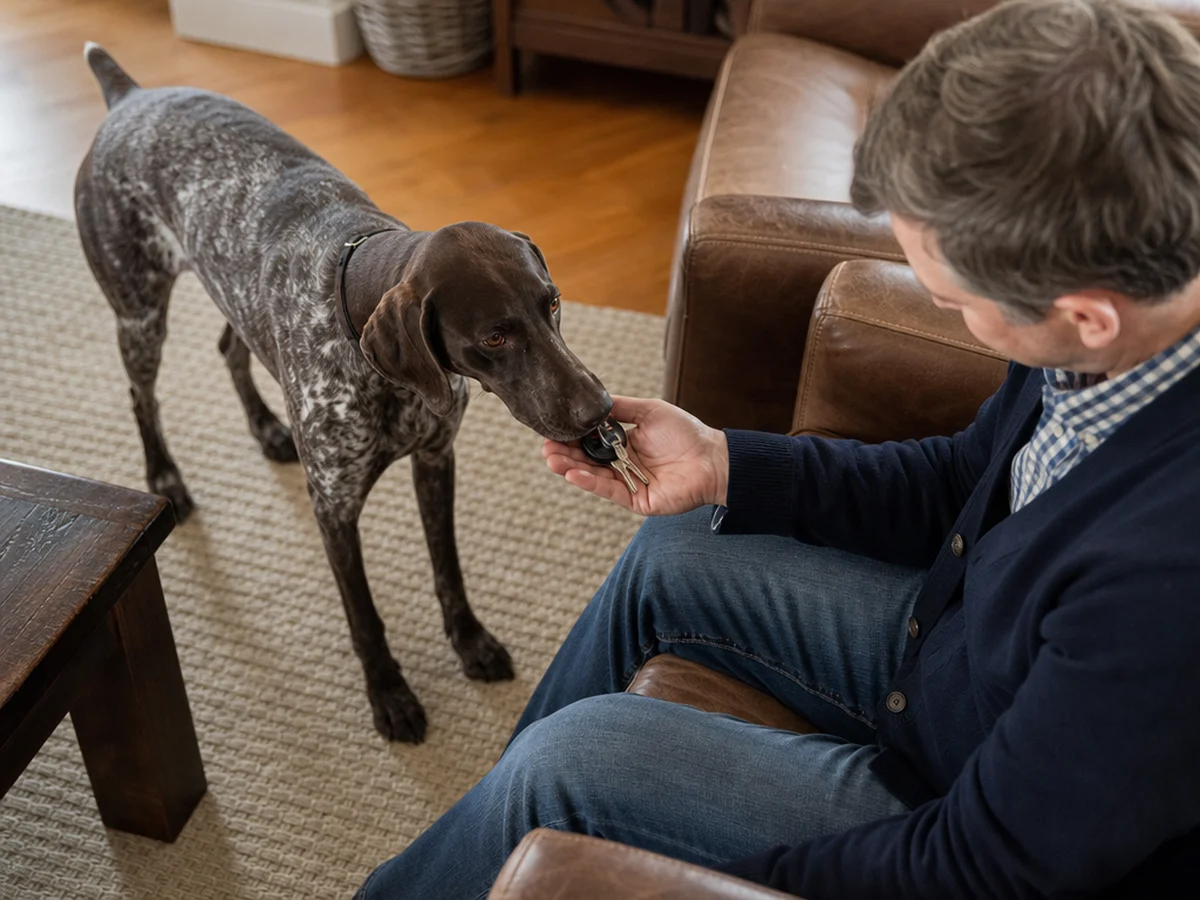
Those strengths still need context. Fast learning can produce quick behavior in a quiet room without producing steadiness elsewhere. Training must examine whether the dog can perform familiar foundations when the setting changes, then recover after an unexpected sound, person or movement.
This table keeps assets and questions side by side. It is not a scoring system, and no single row qualifies a dog.
| Observed Quality | Possible Training Asset | Question to Keep Open |
|---|---|---|
| Willing engagement | The dog readily joins reward-based lessons. | Does engagement remain available outside the home? |
| Athletic energy | Movement can support motivation and conditioning. | Can the dog settle when movement is not available? |
| Affection for family | Connection may support handler focus. | Can the dog work without seeking every nearby person? |
| Environmental awareness | The dog notices changes quickly. | Can they disengage and return attention without conflict? |
| Playfulness | Play may serve as a useful reward. | Can arousal fall again when the lesson requires calm? |
Reward the State You Need
Training should pay calm observation as deliberately as active responses. Reward the dog for noticing something and choosing the handler, resting on a mat and moving through a familiar routine without rushing. A GSP who loves action also needs practice in the quieter half of working life.
The GSP sports guide can provide a separate outlet for athletic behavior. That separation matters because specialized training should not be asked to satisfy every exercise need or absorb every burst of enthusiasm.
Energy Changes Service Dog Training Decisions
High energy is neither a qualification nor an automatic disqualification. The practical question is whether the household can meet the dog's activity needs without relying on service work to do it. A dog who reaches each lesson underprepared to settle may show speed and enthusiasm without the sustained composure the role requires.
Build an exercise and rest pattern outside specialized work, then observe the dog in ordinary foundation sessions. The site's German Shorthaired Pointer exercise plan explains why physical activity and mental engagement belong together. Neither should be used to drive the dog into exhaustion before expecting attention.
Movement Must Have an Off Switch
A useful activity routine produces a dog who can transition, not merely a dog who can keep moving. After an appropriate outing, watch whether the GSP can drink, rest and rejoin a quiet lesson. Repeated pacing or immediate demand for more action means the transition deserves its own training.
Teach a predictable sequence around movement. Calm preparation leads to activity, activity leads to a cool transition, and that transition leads to rest. Reward each state rather than treating stillness as empty time between the interesting parts.
Environmental Interest Needs an Exit
The breed can be intensely interested in movement and scent. Service dog suitability depends partly on whether the individual can disengage without repeated prompting. Practice noticing at a manageable distance, returning attention and moving away before the environment overwhelms the lesson.
A leash and thoughtful spacing protect that work. The aim is not to suppress awareness. It is to learn whether the dog can process what they notice and return to the handler reliably enough for the proposed role.
Adolescence Tests German Shorthaired Pointer Training
A promising puppy is not a finished service dog candidate. Adolescence can bring uneven listening, stronger interest in the environment and changes in confidence. Decisions made during an easy early period should remain provisional while the dog develops.
The PDSA advises patience and reward-based adolescent training rather than punishment when listening falters. For a GSP candidate, that means lowering difficulty, protecting successful foundations and tracking recovery instead of interpreting every rough day as a final verdict.
Progress Is Not a Straight Line
A cue may look reliable and then weaken in a novel setting. Return to an easier environment, restore the reward history and test again later. What matters is not perfect performance through development, but whether the dog can regain stability through humane, realistic practice.
Do not rush specialized expectations to prove that the candidate is still on schedule. The outdoor GSP recall guide shows the same principle in another skill. Safety management remains in place while reliability develops.
Let Maturity Add Evidence
Later observation can confirm an early strength or reveal a mismatch. Keep notes on attention, settling, startle recovery, sociability and response to changing places. These are observations for discussion with a qualified program or trainer, not a home-made certification standard.
Public Composure Matters Before Specialized Training
Public composure is more than obedience performed near strangers. The dog needs to remain comfortable, unobtrusive and available to their handler while ordinary life unfolds. A candidate who greets eagerly, scans constantly or struggles to rest may need more foundation work before any specialized layer is considered.
Start in places where the dog is already comfortable and where access is appropriate. Reward quiet orientation, loose movement and settling at a distance from activity. Expand the setting only when the GSP can recover and repeat the behavior without being lured through visible stress.
Neutrality Is Different From Friendliness
An affectionate dog may want to engage with nearby people. That warmth can be a household strength while still requiring boundaries in public. Reward the dog for noticing a person and returning attention, rather than arranging frequent greetings that make every passerby part of the session.
The same distinction applies around other dogs. Service suitability asks whether the candidate can move through the environment without needing social contact. A friendly response is not enough if it repeatedly replaces handler focus.
Recovery Carries More Weight Than Surprise
No dog controls every sound or movement around them. Observe what happens after surprise. A candidate who can orient, take support from the handler and return to a known behavior provides different evidence from a dog who remains unsettled long after the event has passed.
Use distance and easy exits so observation never becomes an ordeal. A professional can help interpret repeated difficulty and decide whether training, a different environment or a different career path is the kinder choice.
Foundation Training Reveals Individual Suitability
Foundation training should answer questions, not simply collect cues. Reliable settling, leash manners, recall, handling comfort and the ability to learn in changing settings reveal how the dog approaches work. They also improve daily life even if service training is not pursued.
One nonprofit example described by PetMD begins at eight weeks and continues for more than two years, moving from manners and socialization toward specialized skills. That is one program, not a universal protocol. It illustrates why a quick breed verdict cannot replace extended evaluation.
Use the foundations to prepare a discussion with a qualified service dog program or reward-based trainer. The following observations are more useful than declaring the dog suitable at home.
- The dog can settle after appropriate activity without constant entertainment or repeated prompting.
- The dog can notice people, dogs and movement while remaining available to the handler.
- The dog learns through rewards and can repeat familiar foundations across carefully expanded settings.
- The dog recovers from ordinary novelty without a prolonged loss of comfort or attention.
- The household can meet exercise, rest and training needs separately from the proposed service role.
- A qualified professional has evaluated the individual dog against the handler's actual requirements.
Professional Input Is Part of the Foundation
Service work carries consequences for a handler who needs reliability and for a dog whose welfare depends on an appropriate match. Early professional input can identify gaps that enthusiasm misses. It can also support a clear decision to stop, redirect or continue without framing any outcome as failure.
Maintain regular veterinary visits throughout the process so changes in comfort or behavior are not treated as training questions by default. Training records and veterinary context give the professional team a clearer picture of the dog in front of them.
Choose Individual Fit Before Service Dog Training
A German Shorthaired Pointer can be considered for service work, but no responsible answer ends with the breed. The useful answer is conditional. The individual must show suitable comfort, recovery, focus, foundation skills and a sustainable match with the handler's needs.
Breed strengths can open the conversation, and breed challenges can sharpen the questions. Neither decides the outcome. Keep observation honest through adolescence, provide exercise apart from work and let public composure develop without pressure.
Then place the decision with qualified people who can evaluate the proposed partnership. A different activity or companion role may be the right result for a bright, athletic GSP who does not fit service work. The dog remains successful when the chosen life suits who they actually are.
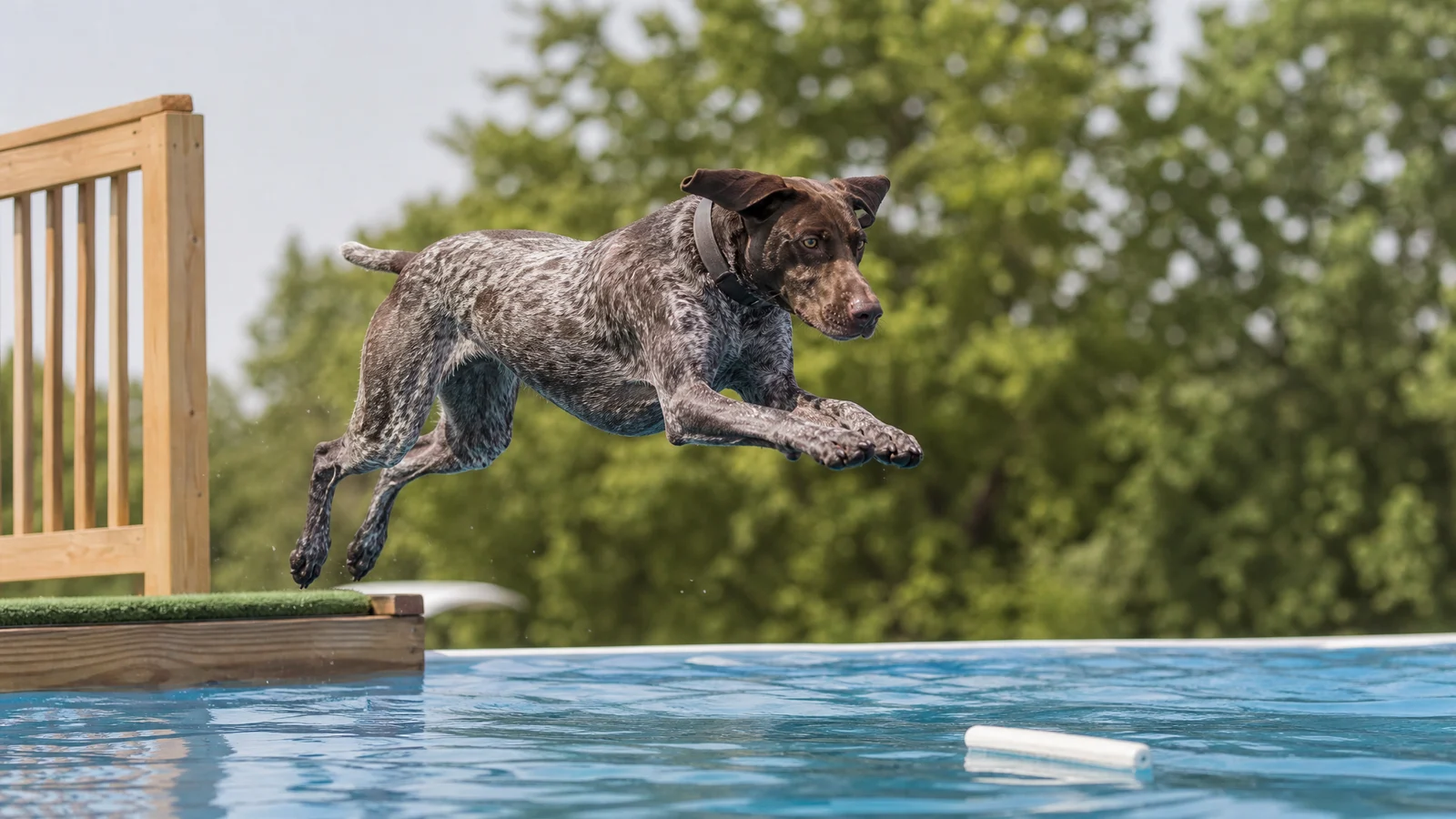 Exercise and jobsSports and Jobs for an Athletic German Shorthaired Pointer
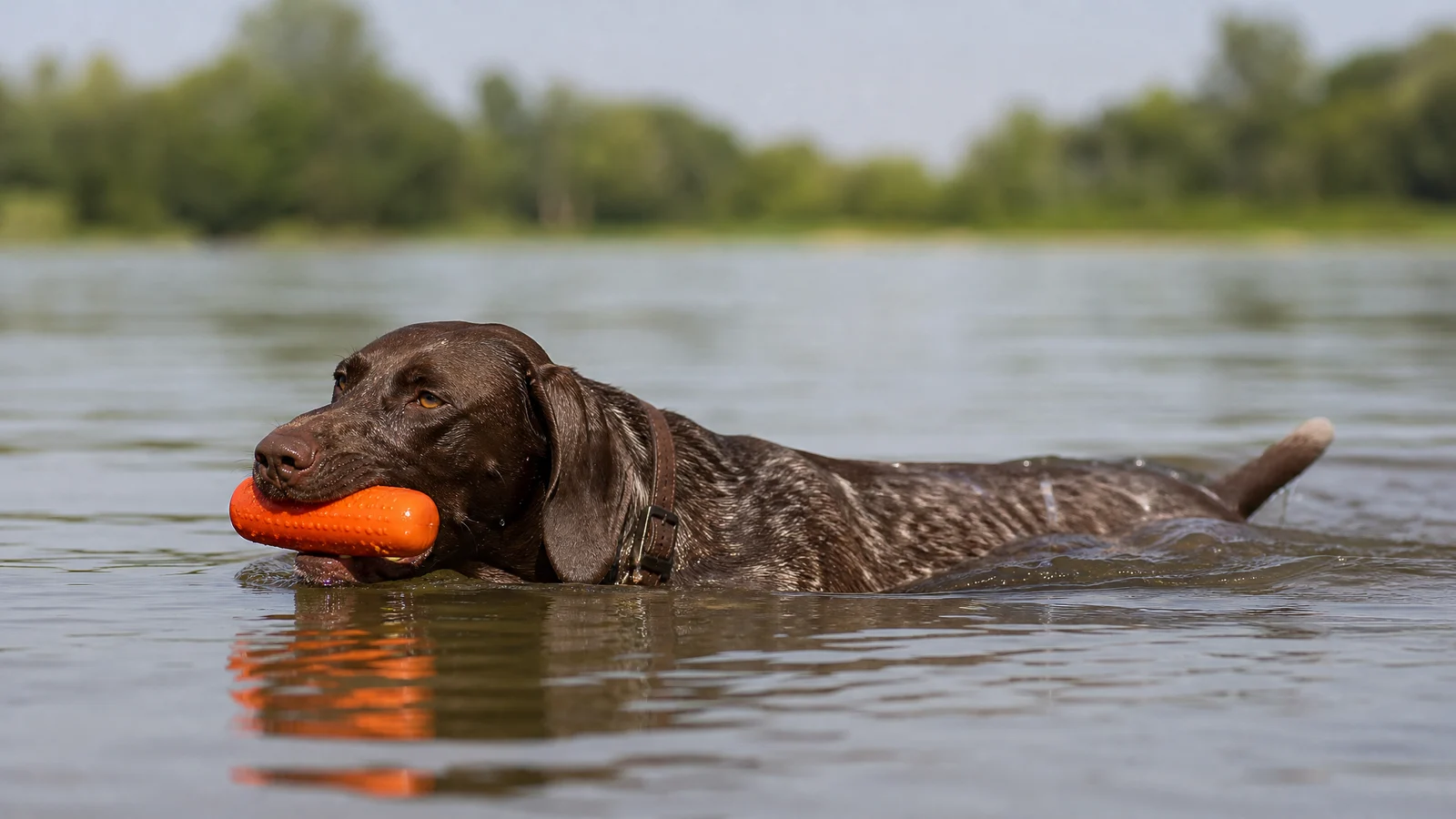 Exercise and jobsWater Play and Swimming for a German Shorthaired Pointer
 Exercise and jobsHiking with a German Shorthaired Pointer: Trail Manners and Fitness
