 GSP
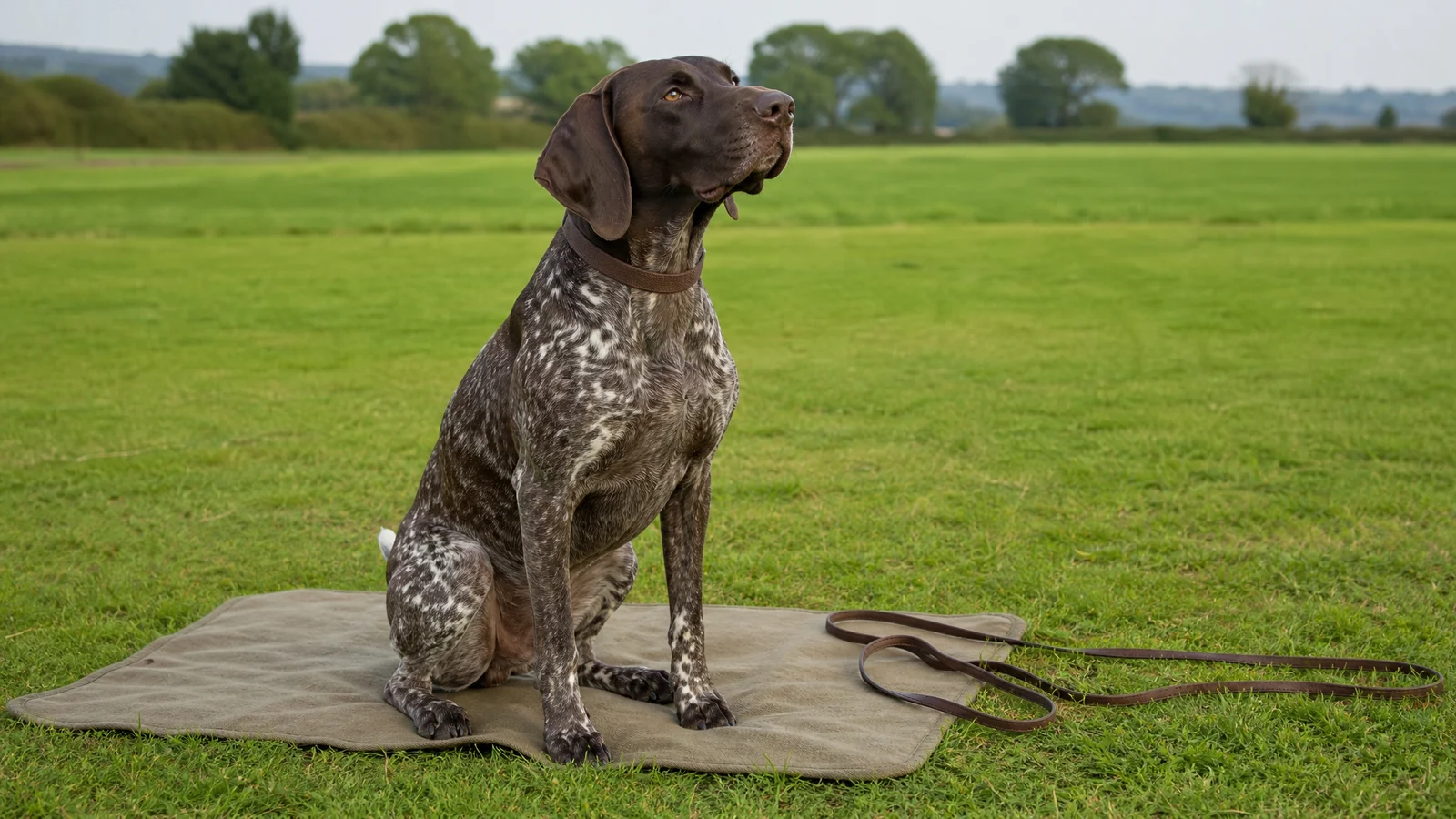
If you are shopping for help with a German Shorthaired Pointer, start from one fact: your dog can finish a lesson with energy to spare and still ask for the next one. That changes what you should look for in a trainer.
Quick, eager students reward good teaching fast and absorb sloppy teaching just as fast, so a trainer's pacing, timing and handling show up in your dog's behavior sooner than you might expect. This guide walks through when to call someone, which kind of help fits which need, what credentials do and do not prove, and what to ask and watch before you commit.
None of this needs insider knowledge. It needs a short list of questions and the willingness to ask them before anyone takes the leash.
When a Keen GSP Needs a Trainer's Help
Before you compare anyone, decide whether you need to hire at all, because many everyday problems respond to steady practice at home and a good puppy class. Help starts to pay for itself when a habit keeps returning despite weeks of consistent, rewarded work.
Timing matters with this breed in particular. The stretch between about six months and three years of age can be the most challenging for owners while a dog matures socially and behaviorally, and puppies generally do not outgrow their problems. A GSP's drive and appetite for a job can make those months louder, so asking early beats waiting for a habit to set.
Not every wobble calls for a professional. These situations are good reasons to bring someone in:
- The same problem keeps coming back: pulling, jumping or counter surfing returns after weeks of consistent practice, which usually means the plan needs a second pair of eyes.
- Energy outruns the household. Daily exercise is in place, yet your GSP still cannot settle or focus long enough for lessons to stick.
- Safety is involved whenever your dog lunges, snaps or guards food or toys, and that is the moment to look past a general trainer toward a behavior professional.
- A Young Puppy Is Just Starting: a puppy class gives structured socializing and a head start on manners, and early training matters a great deal for this breed.
If none of these fits yet, keep practicing at home and let your dog's age and progress decide when to revisit the question. Whatever you decide, the vet comes first when something changes quickly.
When the Vet Comes First
A sudden change in behavior is a reason to call your veterinarian before any trainer, because pain or a physical problem can look like disobedience. Keep regular veterinary checkups on the calendar either way, and mention anything new in how your GSP moves, eats or reacts.
Matching a Trainer's Format to Your German Shorthaired Pointer
Once you know you need help, the format decides who is in the room and what they can realistically fix. Three formats cover most households, and each trades cost, attention and your own involvement differently.
Group Classes for Everyday Manners
Everyday manners such as pulling on the leash, jumping, coming when called and settling into a sit or a down can usually be handled in a group class, which also costs less than private training. Expect to bring plenty of treats and little else, because a class should not need gear beyond a flat collar and perhaps a harness for a strong dog.
A roomful of other dogs is useful practice for a GSP who finds everything interesting. For a young puppy, a class also adds supervised socializing, and our page on socializing a young puppy explains how to prepare for the first session.
Private Lessons and Day Training
Private lessons suit a specific problem, a tight schedule or a dog who is too distracted for a group room. A trainer who works in your home sees the front door, the kitchen counter and the leash as they really are, which makes the advice fit your life instead of a classroom's.
Day training, where a trainer works with your dog while you are out, still needs a handover. You are the one who lives with the results, so the lessons only last if you learn the same cues, timing and rewards your dog just learned.
Board and Train Needs Extra Questions
Board and train sends your dog to a facility for a stretch of lessons, which means you cannot watch how they are handled. Ask for the methods in detail before you agree, including what happens when your dog gets frustrated, and expect a clear plan for teaching you the finished skills when your dog comes home.
What a Trainer's Credentials Can and Cannot Tell You
Format settled, the next filter is the name on the card. A title is a prompt for questions, not an answer, because it says little about how that person will treat your dog on an ordinary Tuesday afternoon.
Backgrounds vary a great deal: most trainers learn through apprenticeships, shelter volunteering and seminars, a certification route adds logged working hours, an exam and a code of ethics, and behaviorists hold graduate degrees in animal behavior or, for veterinarians, a residency and qualifying exam, as laid out in the ASPCA's guide to behavior professionals.
The table below turns those differences into a starting point for common GSP situations. Treat it as a map for your first phone call, and let the answers you get refine it.
| If your GSP's trouble is | Start with |
|---|---|
| Pulling, jumping, coming when called, basic manners | A group class, or private lessons with a trainer if classes do not fit your schedule |
| A puppy who needs socializing and a first set of cues | A puppy class that runs on rewards |
| A sudden change in how your dog acts | Your veterinarian, before any trainer |
| Lunging, snapping, guarding or distress when left alone | Your veterinarian, then a qualified behaviorist |
| A sport or working role later on | A trainer with real experience in that activity |
If your dog's trouble is a sudden change, or sits with lunging, snapping or guarding, a standard obedience class will not be enough on its own. A trainer who admits that early and points you to the right professional is protecting your dog, not dodging work.
Questions That Show How a Trainer Teaches
A credential shows what someone studied. Only a conversation shows how they teach. For a quick, enthusiastic GSP, three things reveal the most: how the trainer rewards, what they do with spare energy, and how fast the plan moves once your dog understands.
How They Reward and Handle Your Dog
Listen for training described in terms of what your dog should do, with food, toys or praise paying for it. A trainer should be able to name what they reward with, when the reward arrives and what your dog is learning to do instead of the unwanted habit. A good toolkit is simple: a flat collar or harness, a pouch of treats, patience and a plan.
Watch their hands and voice as much as their words. Calm handling, a friendly tone and room for your dog to sniff and recover between exercises tell you more than any promise on a website.
Pace and Energy for a Quick Learner
A GSP who understands a cue after a few tries does not need a long drill to prove it. We see a bright dog like this lose interest quickly when an exercise keeps repeating after the point has landed, so ask how the trainer decides when to move on and how short, steady sessions fit the plan.
Ask, too, what happens when your dog is too wound up to think. Good answers include a pause, an easier task or a quick change of activity, not more pressure. A sensible plan also expects daily outlets for your dog between lessons, and our page on walks, play and rest shows what that balance can look like.
Questions to Ask on the Call
Phone more than one candidate and ask each the same things, so you can compare answers side by side. These five cover most of what matters:
- Method in plain words: ask them to describe how they would teach your dog one specific skill, from the first treat to the finished cue, and listen for small steps and rewards.
- Handling a wound-up dog. Ask what they do when your GSP is too excited to listen, and listen for pauses, easier tasks and quick resets.
- Practice between lessons should be spelled out, so ask what you will do at home, for how long and how you will know it is working.
- References and Observation: ask for names of past clients or veterinarians who can speak to their work, and whether you may watch a class or session.
- Limits and referrals. Ask which problems they would send elsewhere, because a clear answer shows they know where their own training ends.
Write the answers down as you go. Comparing notes a day later is far easier than comparing memories of three friendly phone calls.
Watching a Trainer Work With a German Shorthaired Pointer
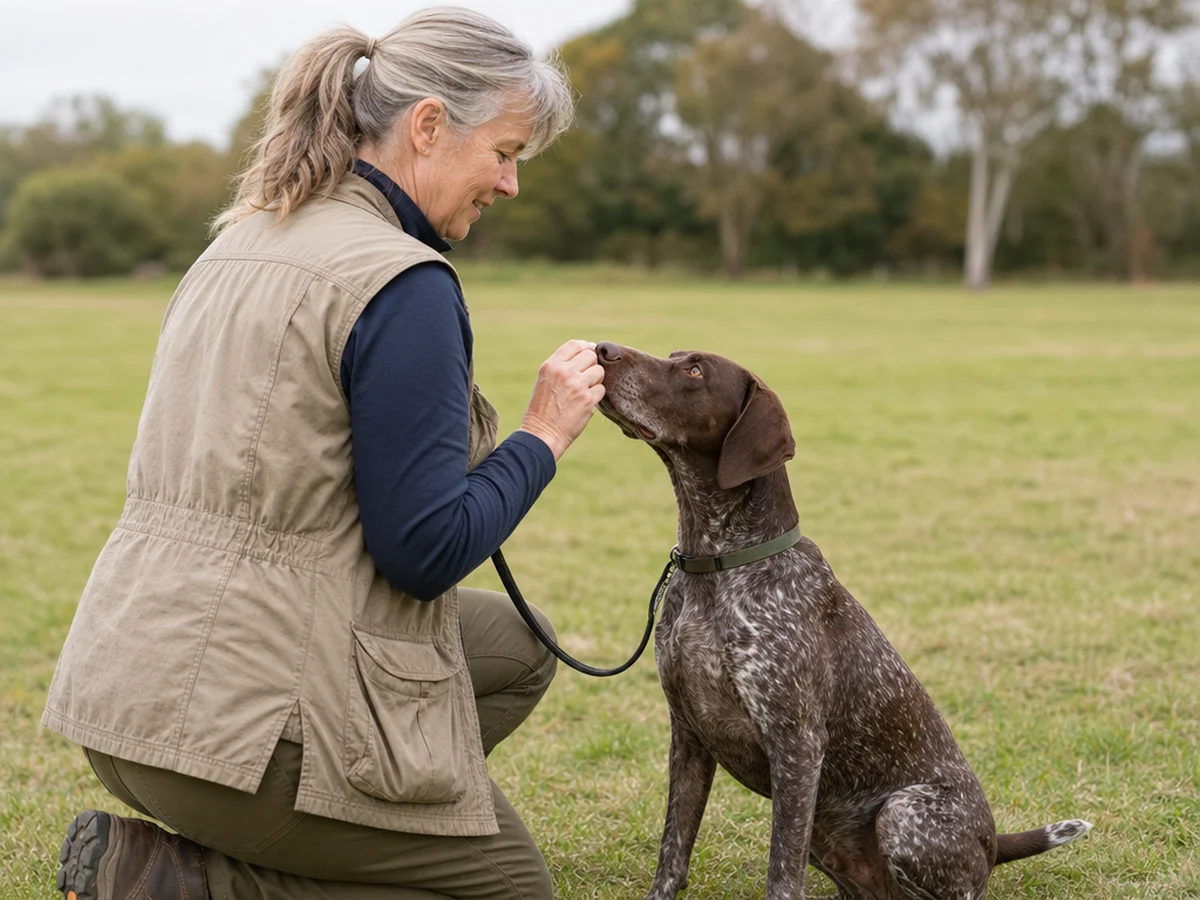
The call narrows the field, and the first lesson settles it. Bring plenty of small treats, be ready to take notes and, if you can, watch a class or a short session before you book anything.
In the first few minutes, notice how the trainer greets your GSP. A calm hello, a moment to sniff the room and a plain explanation of what comes next are all good signs.
A trainer who rushes straight into handling your dog before they have settled is asking for trouble with an excitable breed. During the lesson, look for small steps, quick rewards and a plan that changes when your dog's attention drifts. The trainer should hand you the leash early, show you what to do with your hands and your timing, and let your dog take a break when needed. A dog who keeps trying and ends still interested is learning well.
If your goals reach beyond manners, such as a sport or a working role, ask whether the trainer has experience with it, and read our page on sports and jobs for ideas about where an athletic dog can go. After the first lesson or two, you should be able to describe the plan in your own words, and it should still make sense the next morning.
Lesson-Day Questions for a German Shorthaired Pointer
These cover the snags that belong to an eager, energetic dog more than to dogs in general. None of them replaces a conversation with the trainer you choose, but each gives you something concrete to bring.
Is a group class too distracting for a GSP?
It can be at first. Look for a class with enough space between dogs and a trainer who lets newcomers watch before joining in. If your GSP still cannot settle after a few visits, begin with private lessons and move to a class once the basics hold.
Should I exercise my GSP before a lesson?
A walk or play session beforehand takes the edge off, but a worn-out dog is not a good student either. Aim for a dog who has stretched their legs and still has attention left, and ask the trainer what suits their format.
Can my GSP see a trainer and behaviorist?
Yes. A trainer can keep teaching everyday skills while a behaviorist works on the harder problem, as long as both use rewards-based methods and follow the same plan. Ask each of them to share notes with the other and with your veterinarian, so your dog hears one consistent message.
A Trainer Who Coaches You the Way You Coach Your GSP
The method a good trainer uses on your dog should show up in how they teach you. They state the goal clearly, give feedback quickly, and notice what you did right before they point out what to change, exactly the way you will use a treat and a well-timed marker with your GSP.
When two candidates sound equally qualified, notice which one pays you in specifics. A coach who can say that your hand stayed still and that is why your dog sat will also spot your dog's small wins, and a quick learner turns small wins into habits fast.
A trainer can only shape the hours you book, so our free e-book gives the rest of your GSP's week a plan, with every training need set out fully and in clear terms, and a signup on this site sends one to your inbox.
 Training basicsGerman Shorthaired Pointer Temperament and Trainability
 Puppy trainingGerman Shorthaired Pointer Puppy Timeline: 8 Weeks to 2 Years
 Exercise and jobsSafe Outdoor Recall Games for a German Shorthaired Pointer
