 GSP
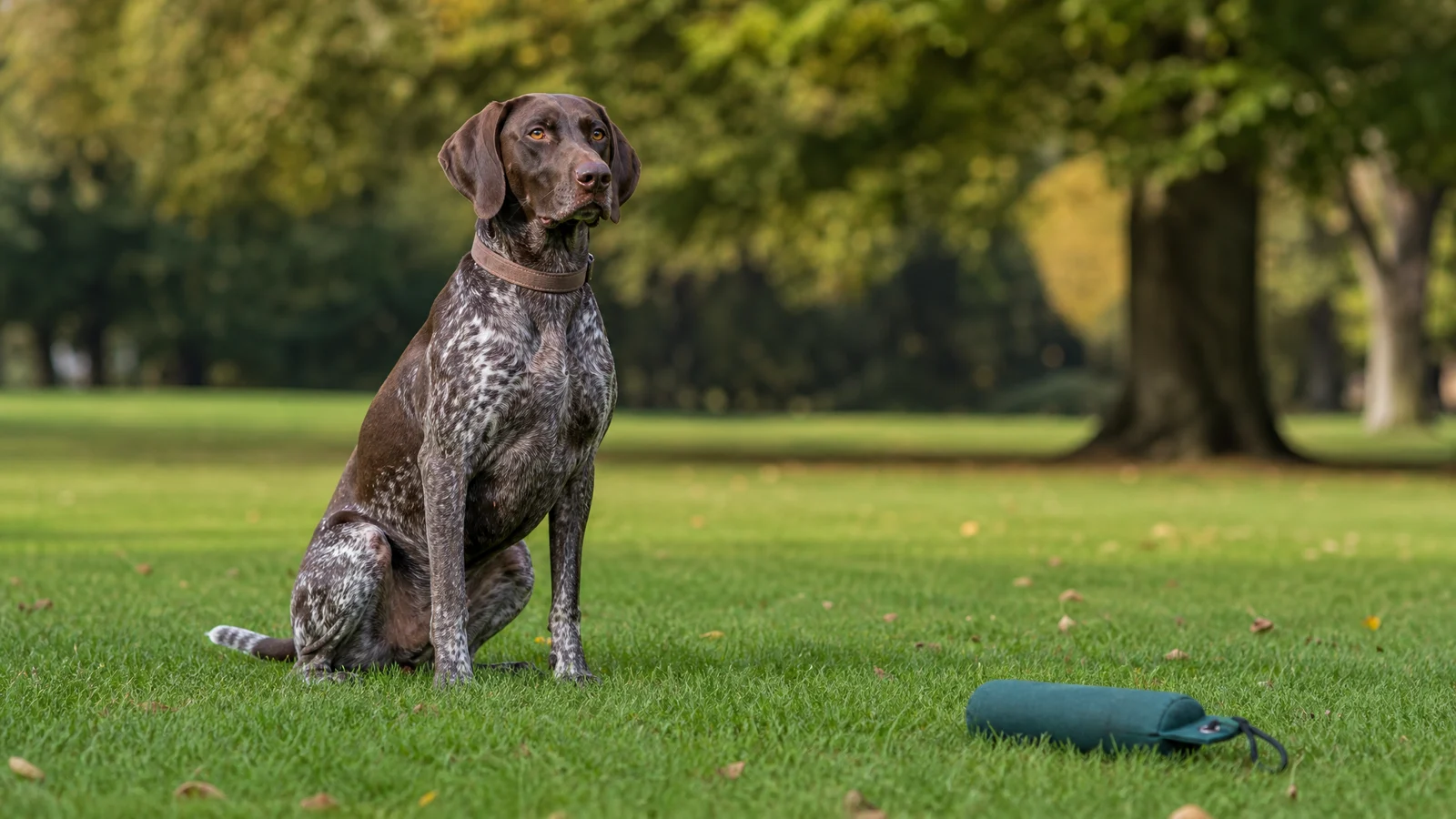
The AKC calls the German Shorthaired Pointer friendly, smart and willing to please, rates trainability 5 of 5, and warns in the same breath that the breed can be extremely challenging from 6 months to 3 years old. A dog with no purpose, it adds, can turn destructive.
Owners fill in the gap between those two statements. Many describe a quick, eager puppy who becomes a teenager who seems to have forgotten every lesson, and some find that even a full schedule does not settle their GSP. Handled badly, those years wear a household down. Handled well, they give back a devoted adult.
This guide covers German Shorthaired Pointer temperament, from how far to trust that 5 of 5 label to the settled adult you meet after age three, including energy, the teenage months, jobs, people and a training routine.
Temperament Versus Trainability
Many new owners read a 5 of 5 for trainability and picture a dog who learns a cue in one afternoon and keeps it for life. Sometimes the first half comes true. But that score describes attitude, meaning how keen the dog is to work with you, and attitude is not the same thing as ease. A willing dog can still be a lot of dog.
So the first decision is how far to trust the label. It helps to look at what the written standard promises and then at what owners say they actually live with.
What the Standard Says
Read the breed standard and it asks for a first impression of keen enthusiasm for work, with no sign of a nervous or flightly character. It describes eyes "full of intelligence and expression, good-humored and yet radiating energy," and the temperament line is short: friendly, intelligent and willing to please.
A second registry's standard names versatility as the key word and asks that the dog be judged as a working gun dog. That history explains the personality. These dogs were made to work close to people and stay keen all day, so friendly and driven are not opposites in a GSP. They run on the same engine.
The profile ratings put trainability at 5 of 5, right beside energy and mental stimulation needs, which also sit at 5 of 5. That last pair matters most for training, because a GSP without a purpose will invent one, whether or not you planned it.
What Owners Report
Owners describe a dog who learns fast. Some GSPs pick up words nobody meant to teach, stay focused on the person in front of them and seem to want the next lesson before you do. Distractions are the other side of that. When wildlife scent or movement appears, recall needs steady work rather than one good month, and engagement is something you keep building.
Attention span is the other common report. Dogs learn quickly but get bored, stressed or frustrated once a session runs past roughly 20 minutes, so owners favor several short sessions a day over one long one. If that sounds like your puppy, it is the breed talking, not a flaw in your teaching.
We have trained this breed for many years, so we will say it plainly: plan for a smart but demanding dog. Read the 5 of 5 as a sign of eagerness, then supply the structure that eagerness needs.
German Shorthaired Pointer Energy
Many owners notice the same pattern at home. Owners report that dogs with too little exercise become wound up, anxious, unable to settle at night and nearly unbearable to live with, so a skipped morning outing tends to undermine the day's lessons.
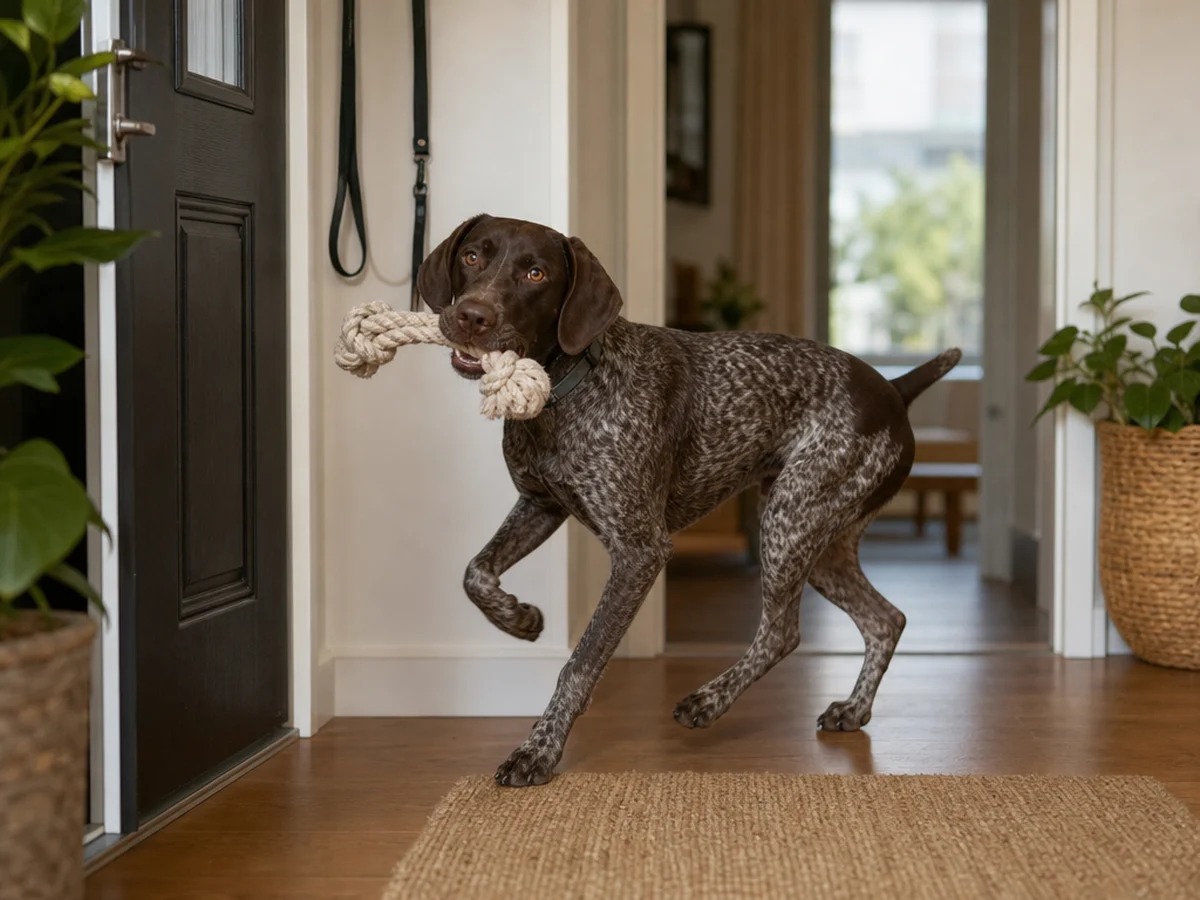
That is why the second decision is about energy, not obedience. The breed's energy level sits at 5 of 5, and the plan has two halves, the body and the brain.
Physical Exercise First
The profile suggests ample physical activity twice a day, such as brisk half-hour walks morning and evening, or running and playing in a securely fenced area. For most GSPs that is a floor, not a ceiling. Our guide on how much exercise a GSP needs covers running, hiking and brain games.
Put the outing before the lesson, not after it. A dog who has burned off the first wave of energy can actually listen. Watch the timing around meals too, because the breed is prone to bloat and should not be fed right after vigorous exercise or run for at least an hour after eating and drinking.
This is general information, not medical advice. Check with your veterinarian about meal timing around exercise, and about any accidents or behavior changes that linger or appear suddenly.
Mental Load Matters Too
We often hear that wearing a dog out makes for a well-behaved one, and exercise is certainly the base. But owners report that even substantial exercise does not always settle a GSP. Some stay bored or act out despite a full schedule. Giving the brain a real task tires many dogs as thoroughly as a long run does, so plan for both.
Sniffing, snuffling and rooting around count as real mental stimulation, even when the dog is not running hard. Owners feed meals from a puzzle for scent-based enrichment, keep a toy box where the dog fetches a named toy on cue, or fill a kiddie pool with play sand as a dig box. Scent games can lose their charm if another dog in the home gets to the scents first, so run them separately or rotate activities.
The choice here is a fixed daily outlet: two outings and at least one brain task, at set times, before any lesson. A routine beats a clever one-off because this breed's need comes back every single day.
Adolescent Temperament Problems
Somewhere around 6 months, many owners notice a swap. The puppy who answered every cue now stares past you at the park, and the walk becomes a tugging match. This is the stretch the breed profile calls extremely challenging, and it can last until about 3 years old. It is a developmental phase, not proof that you failed.
The third decision is how to get through it, and the answer is less about new tricks than about steadiness. We have trained this breed for many years, and the problems below are common in the adolescent months.
Selective Hearing
Recall is usually the first thing to wobble, especially when scent or movement shows up. Work at distances where success is likely, pay with something better than what the distraction offers, and make coming back the start of a game, not the end of one.
When everything feels lost, call it a reset instead of a failure. Owners who tried going back to clicker basics and hand-fed meals report it helped restore focus, because every bite becomes a small repetition of focus. Reset first, then rebuild distance.
Destructiveness Without a Purpose
Chewed sofa corners, dug-up flower beds and shredded cushions are the classic complaints. The breed description says GSPs need a purpose and can be destructive if left to their own devices. Natural urges to chase, smell, chew and scavenge need an outlet, and dogs without stimulation find their own.
Check the exercise and mental plan first, then manage the house. Supervise freely, rotate chews and toys, and put shoes out of reach. Reward the right chewing generously, and redirect with praise instead of reacting to the damage afterward.
Testing Limits
Teens test rules in small ways, and leash pulling is the classic. Owners who stopped and waited for a sit, or turned the other way, accepted much slower walks at first in exchange for a steadier dog later. Potty training can slip too. Some owners had to restart at 9 months after early success, and our GSP potty training guide covers how.
A few problems outlast the phase. Happy peeing at greetings can continue past 30 months, and some owners traced repeated accidents to a medical cause that undermined all the training. If accidents persist or return, see your vet before adding more lessons.
Holding the Rules Steady
Reward-based does not mean anything goes. Humane training guidance stresses that dogs do best when they get structure, routine and clear guidelines, all taught without fear or pain. Holding a rule steady is a kindness to a teenager who is checking whether it still applies.
So decide now to hold the rules steady instead of loosening them. Same cues, same boundaries, same rewards, even when progress looks like a step backward. Consistency is what lets a dog work out that the rules still apply.
German Shorthaired Pointer Jobs
A GSP carrying a named toy from the toy box to your hand looks pleased with themselves, and for good reason. Some owners use that simple task as a household job, and it meets exactly the need the breed description points to: a purpose, not just activity.
The fourth decision is which purpose to give the dog so their drive does not find its own. Four options come up most, and they differ in what they ask of you.
Fetch and Scent Work
Fetch is the easiest, with no equipment beyond a ball and a fenced area, and it spends physical energy fast. On its own it does little for the brain, so a cue-based version, such as fetching a named toy, works better.
Scent work, from simple find-it games to organized nose-work searches, loads the brain. Some GSPs lose interest in it fairly quickly, for instance when another dog in the home gets to the scents first, so give each dog their own turn.
Chase Games and Dog Sports
Chase-and-search games, like hide-and-seek with a toy or a flirt pole session, give a strong prey drive a safe outlet. They need rules, so reward a calm start and an easy stop.
Organized dog sports such as agility, rally or tracking add structure and a goal that suits the breed's mix of eagerness and stamina, but they ask the most of your schedule.
Picking One Main Job
Choose the one your dog keeps choosing and you will actually do every day, and treat the others as extras. A single job done daily beats four done now and then.
Temperament With Family and Strangers
The dog who leans on your leg all evening may hit the front door like a rocket when the bell rings. That mix is typical. The profile rates affection with family and good with young children at 5 of 5, openness to strangers, good with other dogs and watchdog nature at 4 of 5, and barking at 3 of 5, so expect a loving dog with a lot of welcome in them.
Kids and Visitors
Kids and GSPs often click, and puppies bond strongly with people, especially children. Size and exuberance still call for supervision around small children, and both sides need teaching: the dog to keep paws on the floor, the child to stay calm. Our guide to GSP manners around kids and dogs shows how.
For visitors, reward a sit or a trip to a mat before the door opens. Some owners wish they had taught a settle cue early because their young dog fought relaxing hard, while those who taught calm indoors from the start report an easier time.
Other Dogs and Introductions
With other dogs, a 4 of 5 is potential and not a guarantee. Choose controlled, repeated introductions: one calm dog or guest at a time, treats flowing, and an exit before excitement peaks. A few good meetings repeated beat one big party.
German Shorthaired Pointer Training Routine
Owners who say training goes smoothly tend to describe the same rhythm. They hold regular sessions several times a day and end each one while the dog still wants more. It sounds almost too simple, but short sessions suit a breed that learns quickly and tires of repetition.
The sixth decision is the routine itself: how each session is built, what a week looks like, and when to bring in help.
Designing Each Session
Use a clicker or marker word with treats, play and attention, since the breed is happiest with lots of play and loving attention from its owner. Work on one skill at a time, stop well before the roughly 20 minute mark where boredom sets in, and use part of the daily meals as hand-fed rewards. Keep vigorous work away from mealtimes.
A simple weekly shape that owners adjust to their lives:
- Every morning and evening, do the outing first and a short lesson after it, while the dog is happy and a little tired.
- Midday, add a brief session on a single skill such as recall or settle, paid for with part of a meal.
- Rotate the brain task so scent games, puzzle feeding and the dig box each get a turn.
- On weekends, take a longer outing to a new place and practice familiar cues around fresh distractions.
- Once a week, review what slipped and go back one step on that skill.
When to Bring in Help
Early training is essential for the breed, and puppy classes help with both manners and socialization. When classes are closed because vaccines are incomplete, many owners trained on their own with family guidance and positive-training videos. Our GSP puppy training timeline lays out what to teach and when.
Call a reward-based trainer if recall will not improve, mouthing escalates, or the dog cannot settle even after a full day. See your vet first when accidents or sudden behavior changes appear. Keep the weekly schedule, review it each week, and add a class or trainer when you are stuck, not when you are exhausted.
Settled Temperament After Three
The breed's reputation for being extremely challenging runs to 3 years old, so the third birthday is a reasonable marker for the end of the hardest stretch. By then the dog has had years of practice with the routines you built, and the teenage urge to test everything often eases.
Around this point you can reasonably hope to see the dog walk past the open gate, settle on a rug while you work and look up when you speak instead of charging ahead. The written profile finally starts to fit the living animal.
The breed bonds firmly to family. Adaptability rates 4 of 5, so changes in routine are usually easy when the basics hold.
Settled does not mean slow. Energy stays at the top of the scale, so the outings and the main job still matter, but the dog now aims that drive at cooperation. Expect recall around big distractions to need maintenance, and expect an alert streak at the door.
Keep regular vet visits on the calendar, because sudden restlessness, accidents or irritability in a mature dog are often physical and not a change of character.
What waits on the other side of the teenage years repays the effort. The 5 of 5 never meant easy. It meant eager, and eager rewards consistency. Keep the daily outlets, the short sessions and the steady rules going, and the teenager who tested everything becomes a partner who looks up to ask what the two of you are doing next.
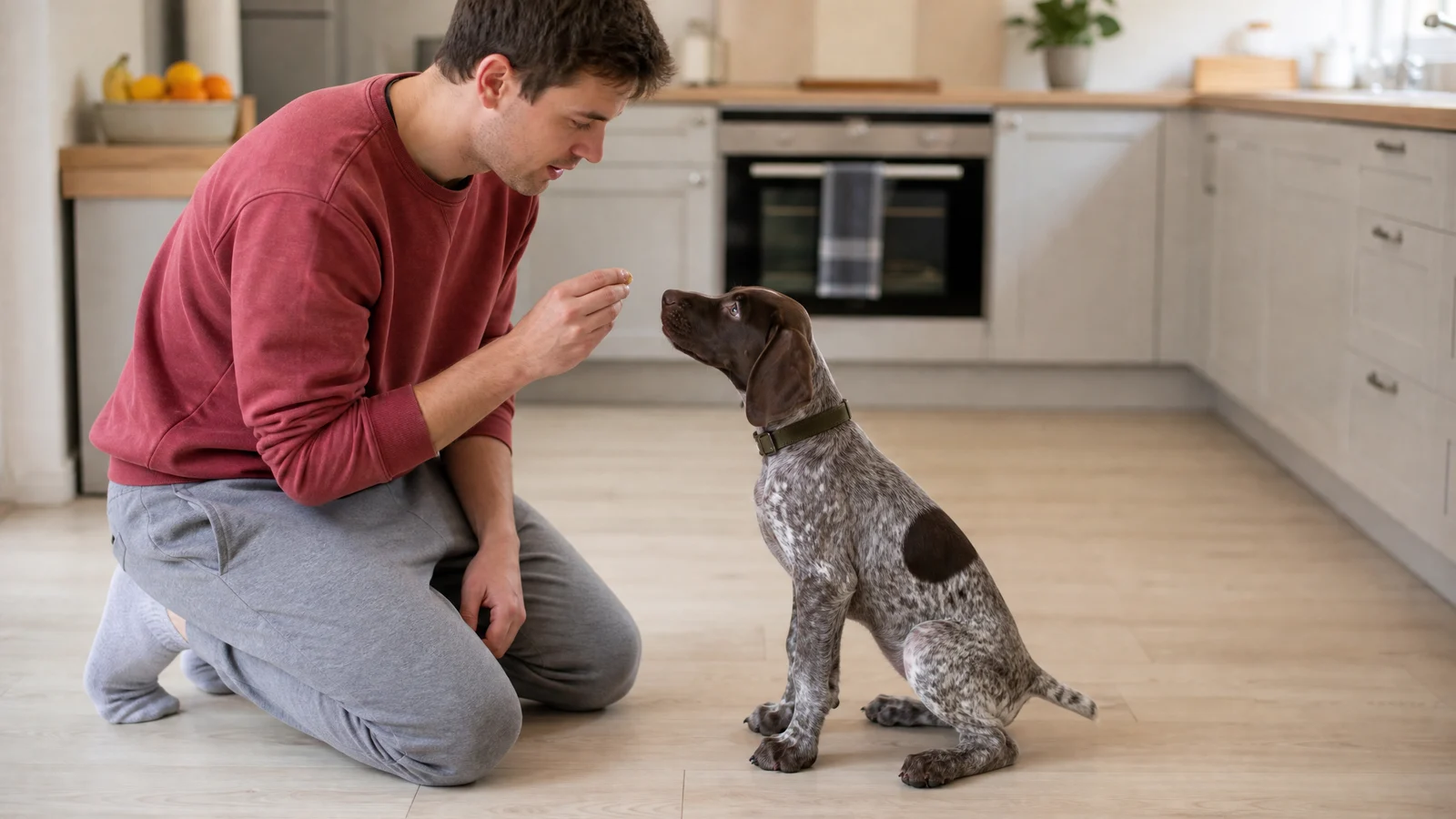 Puppy trainingGerman Shorthaired Pointer Puppy Timeline: 8 Weeks to 2 Years
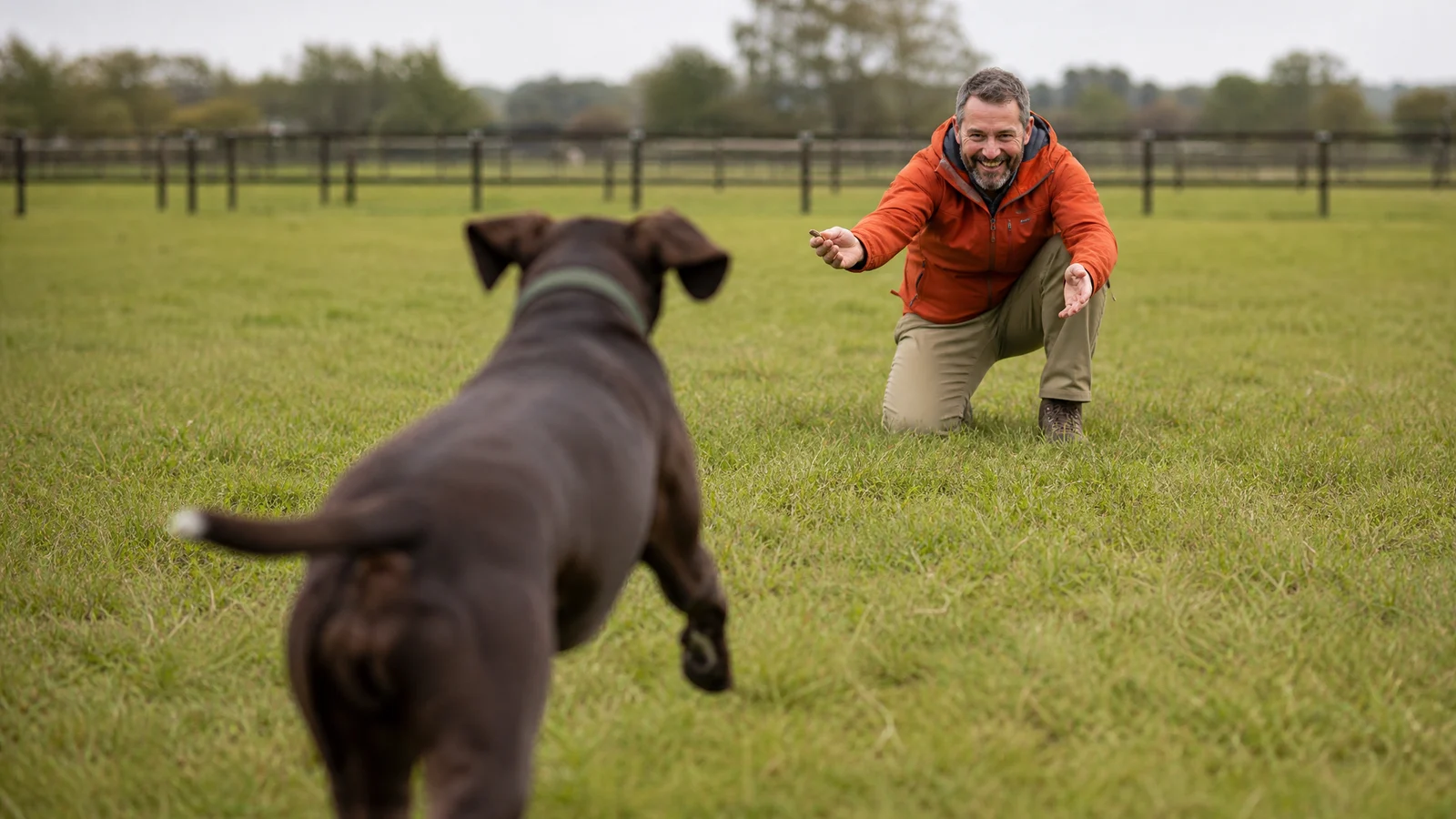 Exercise and jobsSafe Outdoor Recall Games for a German Shorthaired Pointer
 Exercise and jobsCan a German Shorthaired Pointer Be a Service Dog?
