 GSP
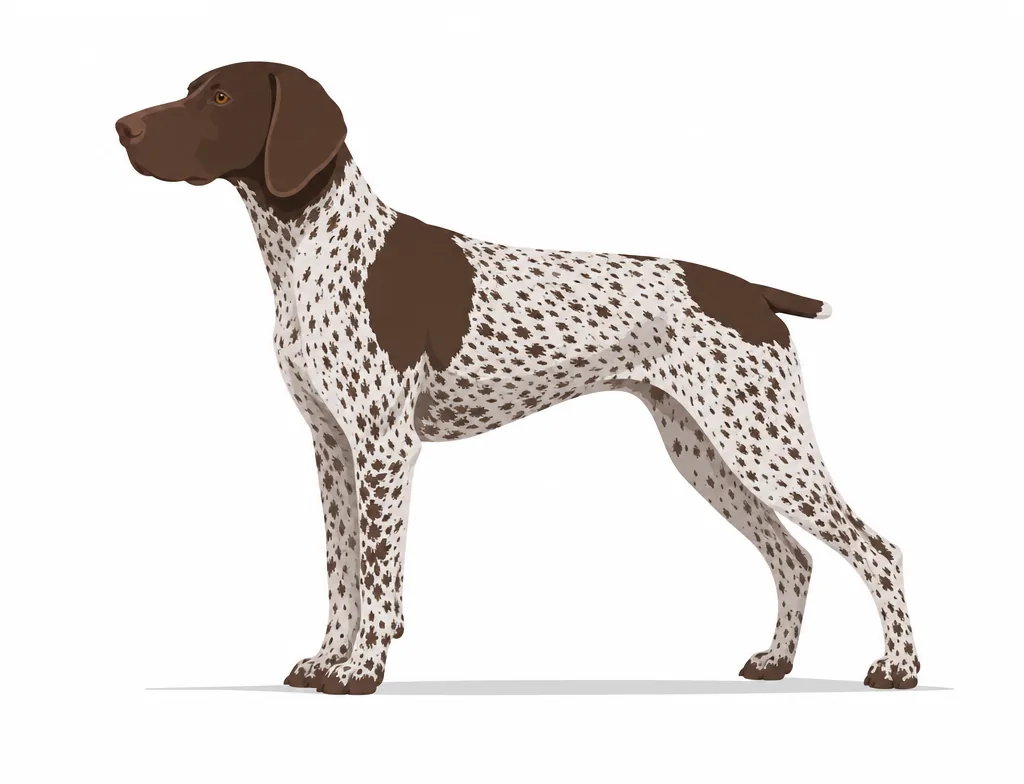
German Shorthaired Pointer training for a tireless bird dog.
Reward-based training that turns a German Shorthaired Pointer's huge drive into calm at home.

Get the free GSP training e‑book
Tell us where to send it. The guide walks you through the habits GSP owners ask about most, one short step at a time.
Free. No card needed.
By continuing you agree to the Privacy Policy and to hear from us by email. If you add a phone number, you agree that we may call or text you about your dog's training. Leave it blank and you still get the e-book.
How a GSP thinks
We write for German Shorthaired Pointer owners, from outdoor homes to busy families. Every guide uses rewards and real outlets for a dog built to run.
 Huge energyExercise the body and the nose.
 Bird drivePoint, then come back.
 Velcro dogTeach calm time alone.
 Eager to learnReward the right choices.
12 GSP training topics
The problems GSP owners ask about most, each with first steps you can try today.
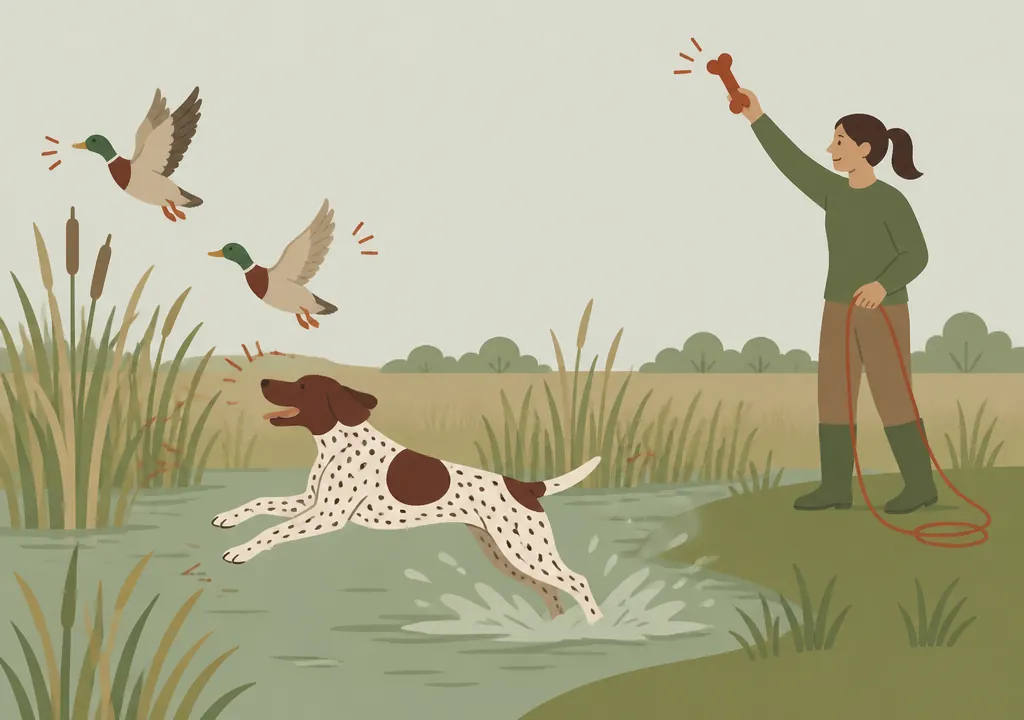 Running off after birds
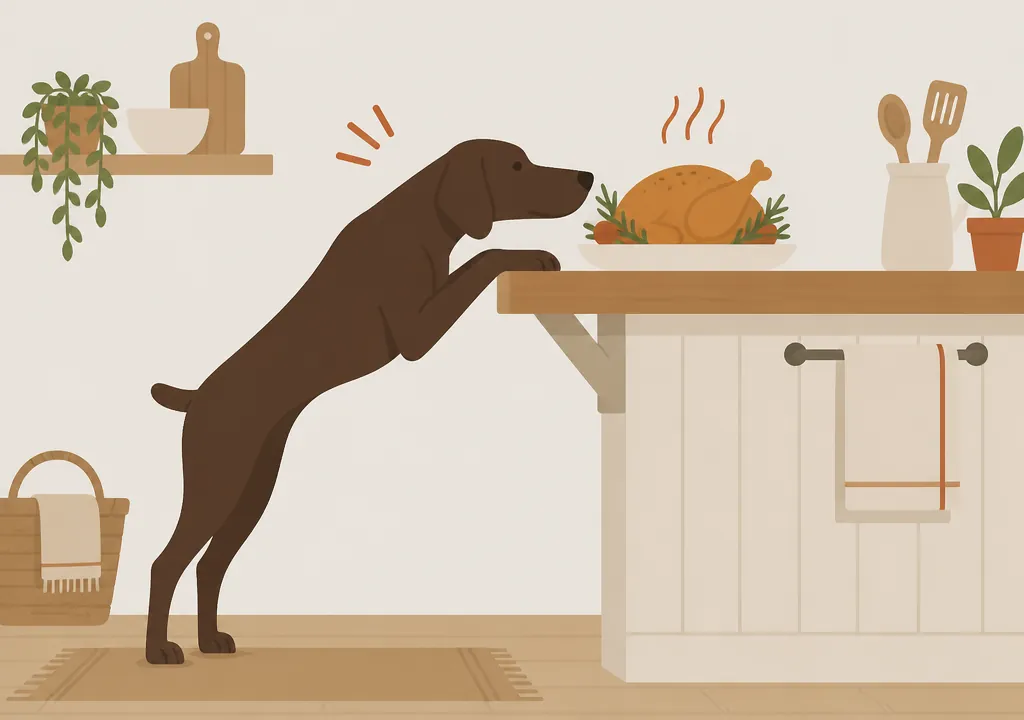 Counter surfing
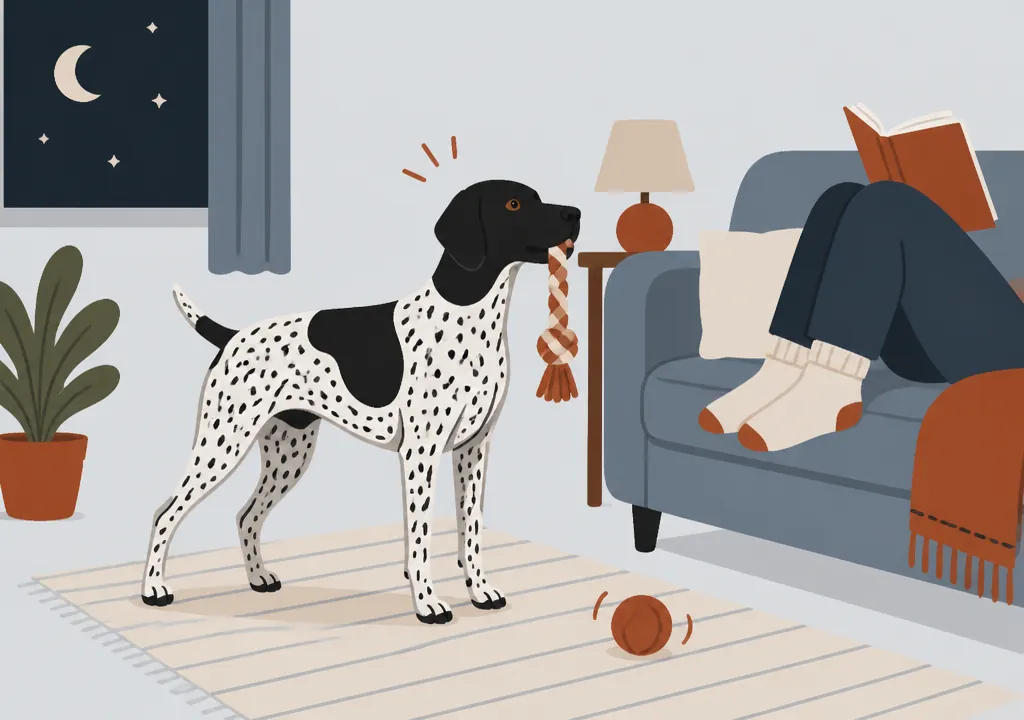 Never settling
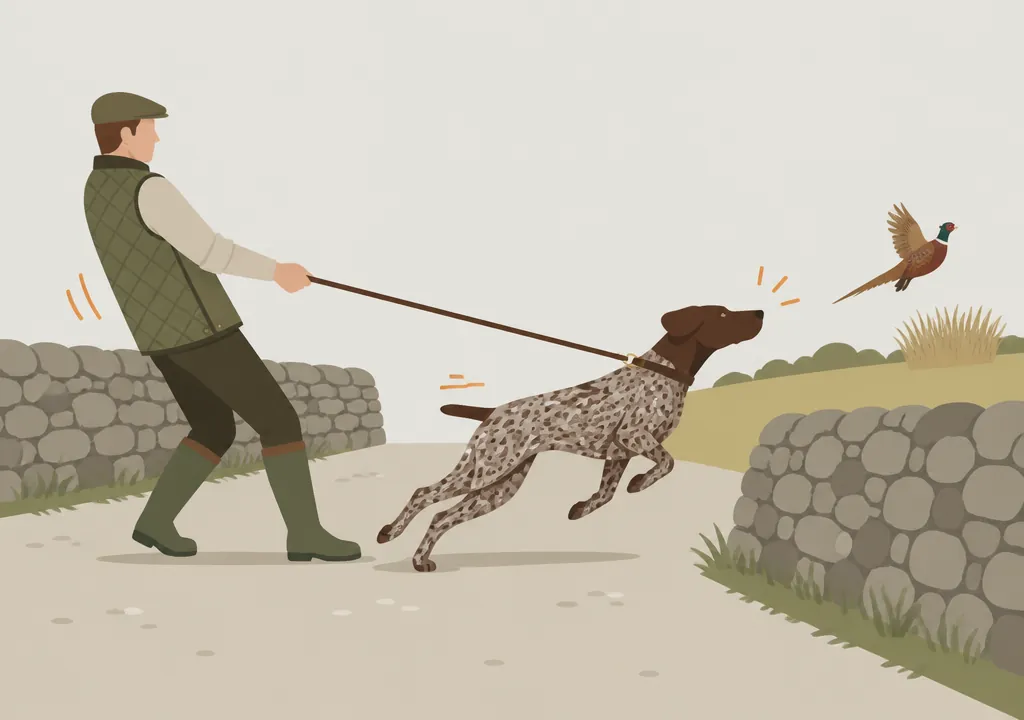 Pulling on the leash
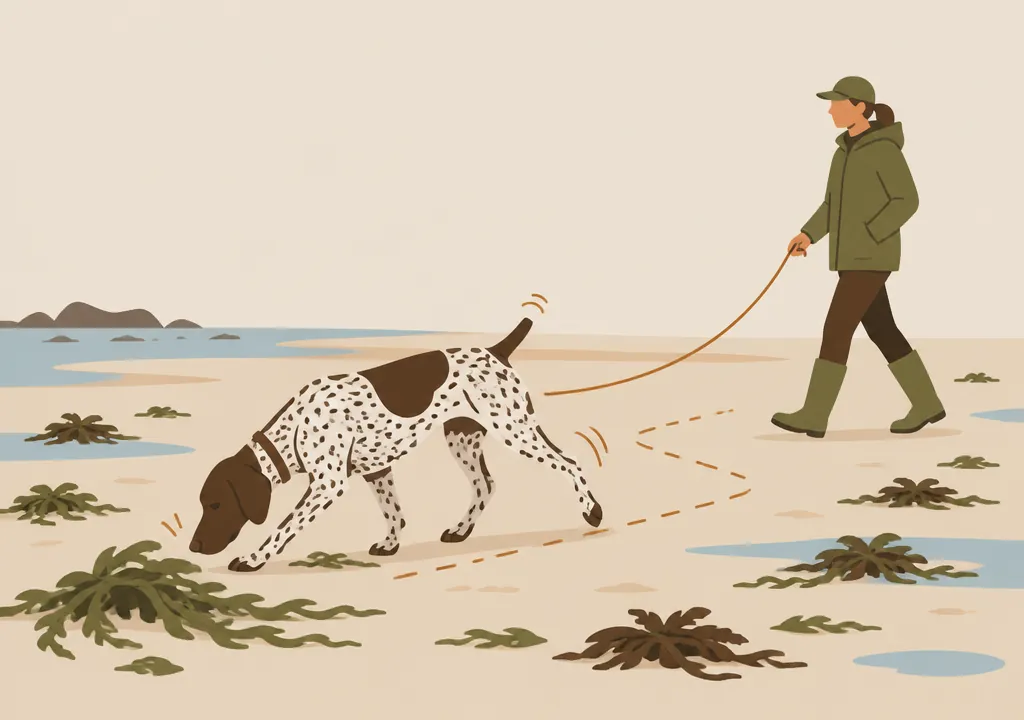 Nose down on walks
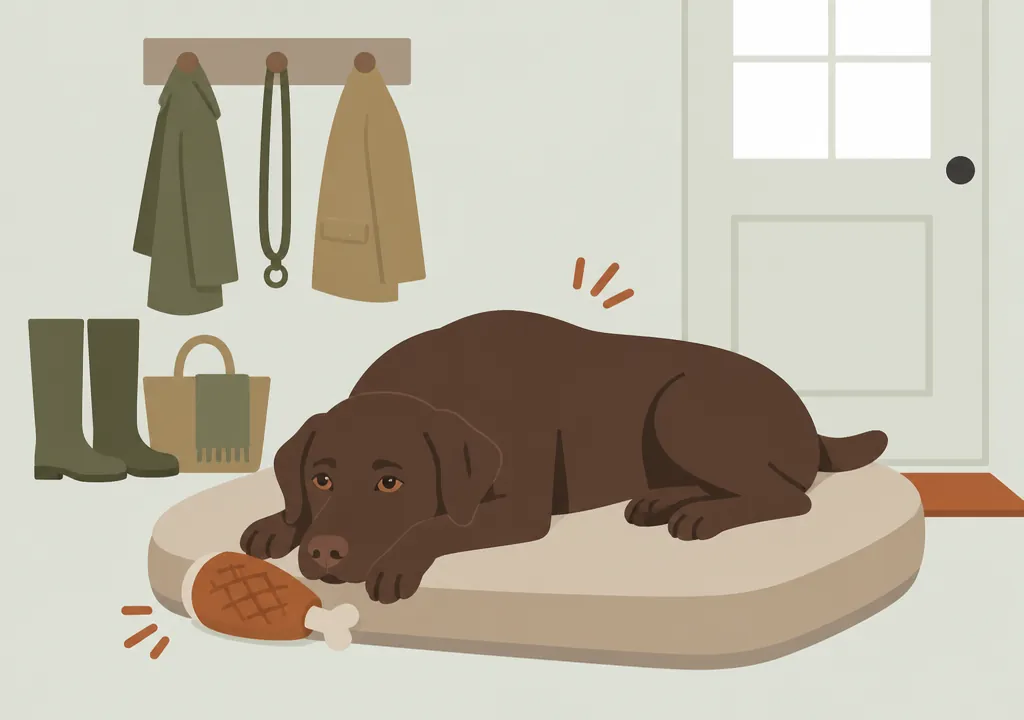 Time alone
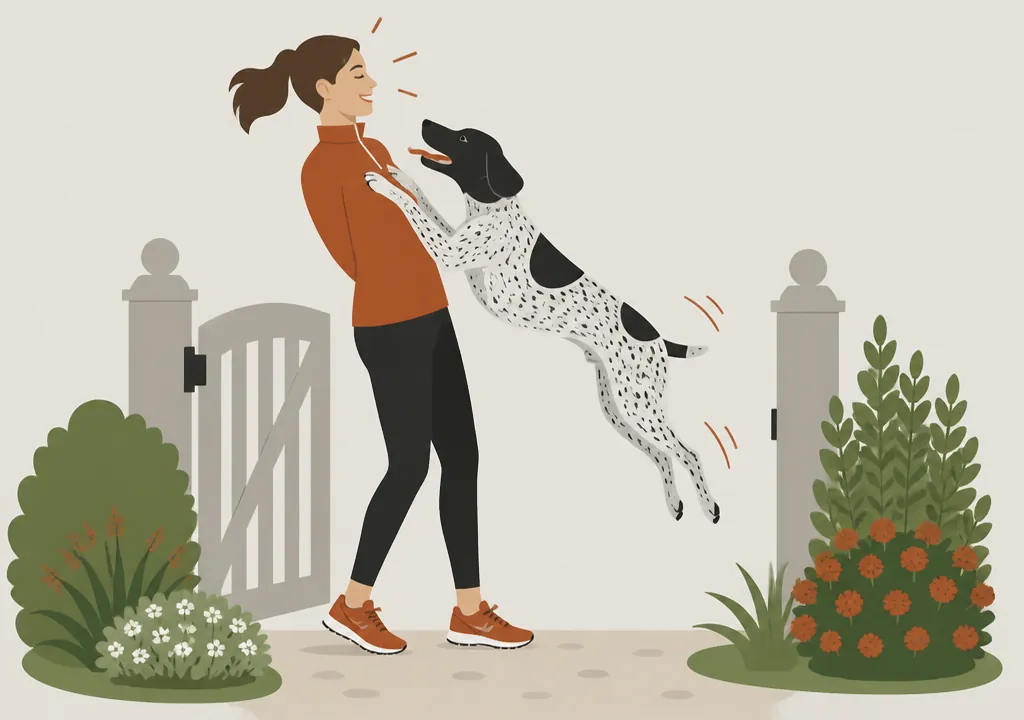 Jumping on people
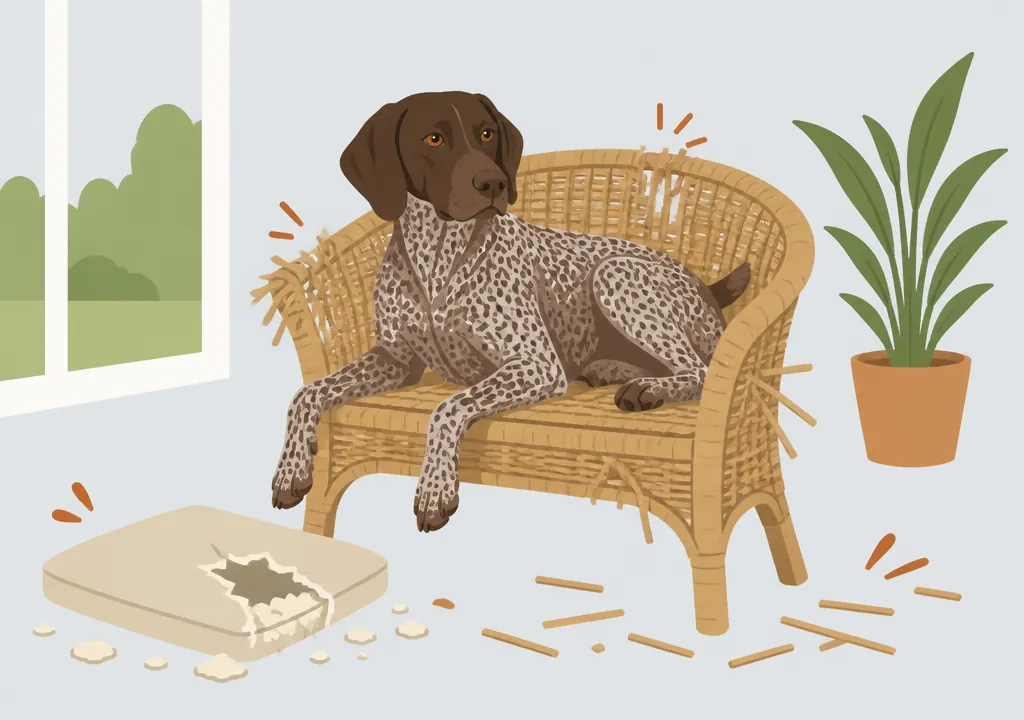 Destructive chewing
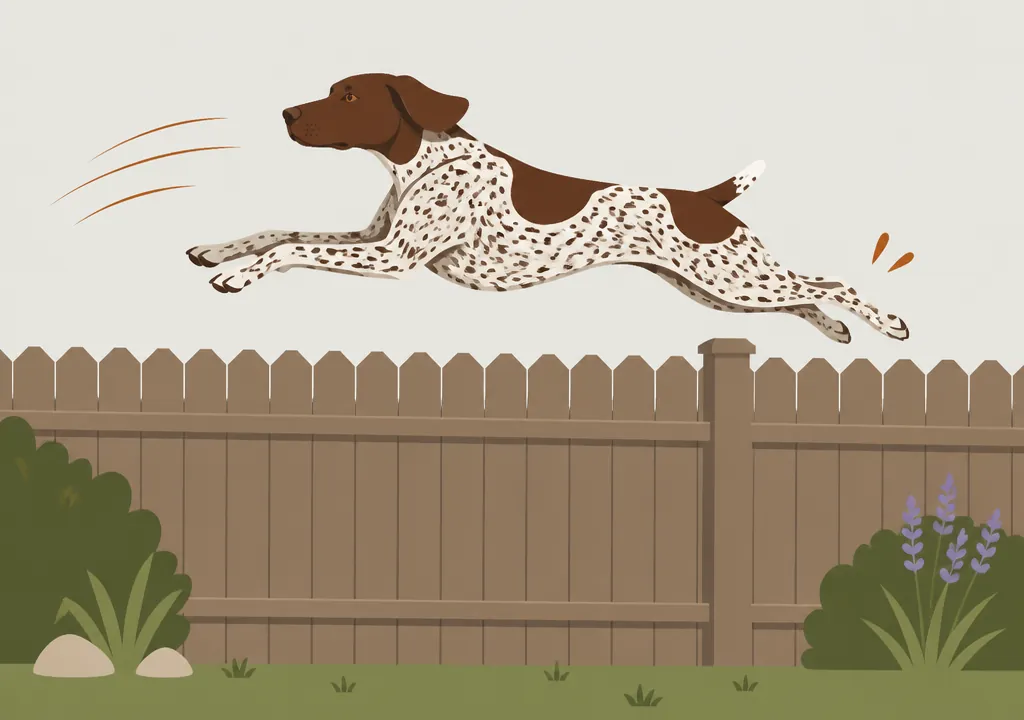 Escaping the yard
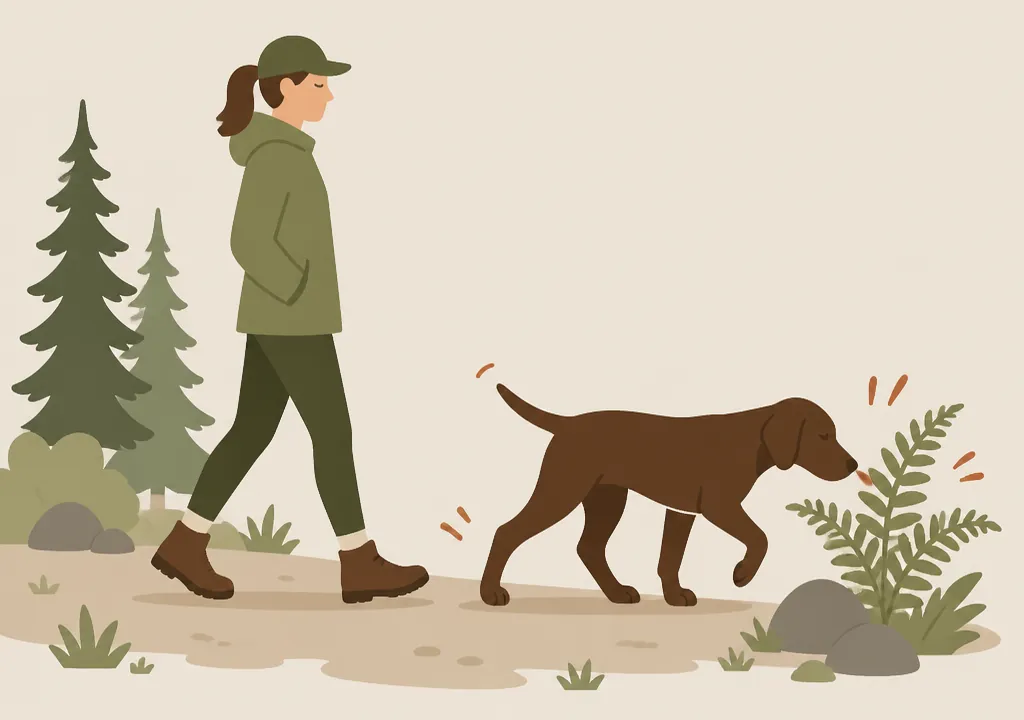 Exercise while growing
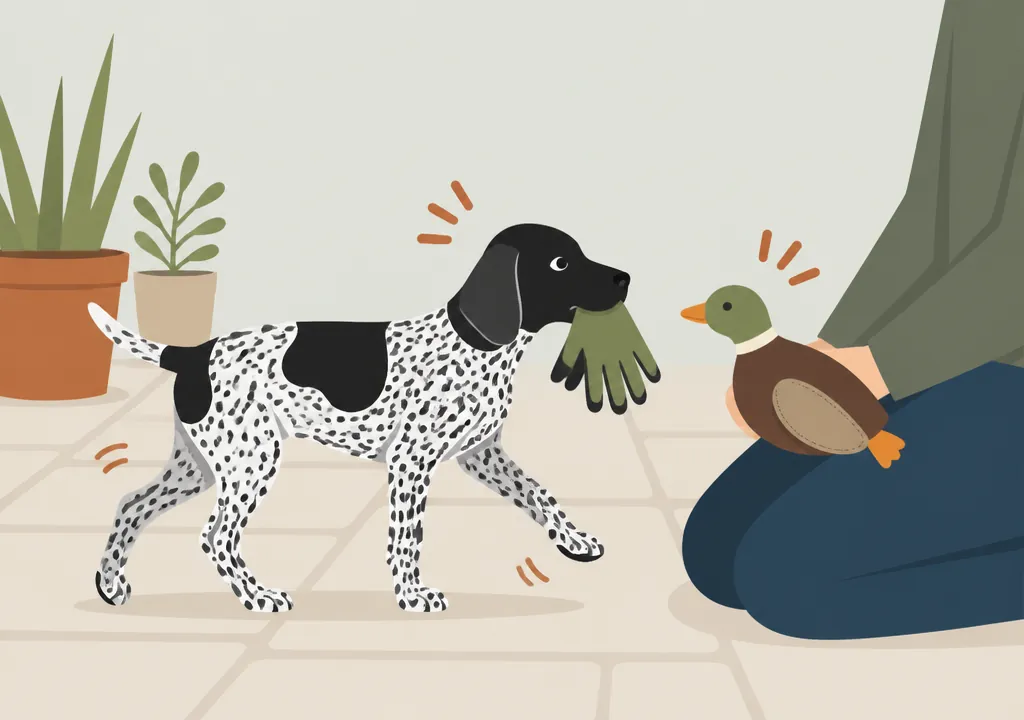 Puppy mouthing
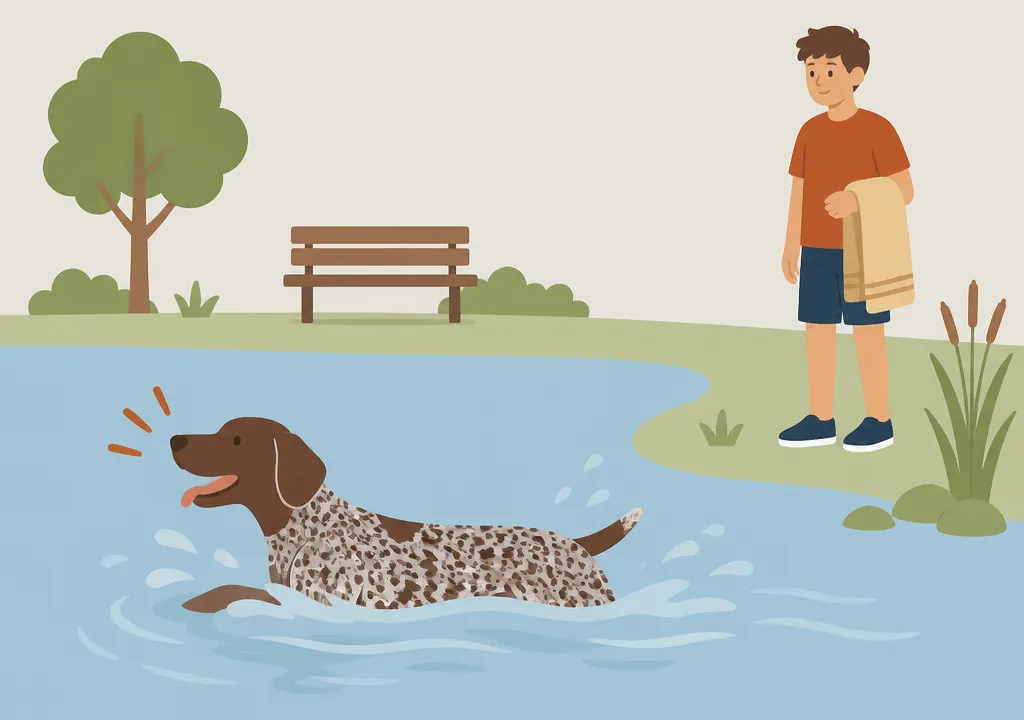 The teenage months
German Shorthaired Pointer training guide
A high-energy athlete who wants to work with you, as long as the body has been exercised first.
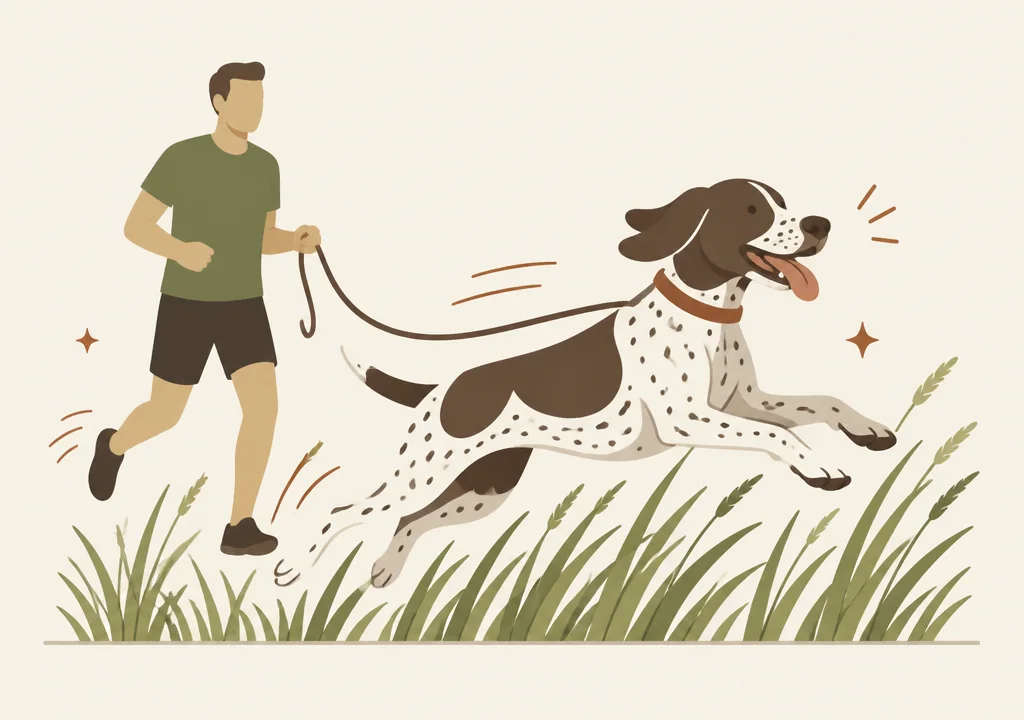
Exercise before lessons
A GSP with unused energy cannot concentrate, so a run or a swim comes before any lesson. The breed rates high for trainability and wants to work with you, as long as the body has already worked.
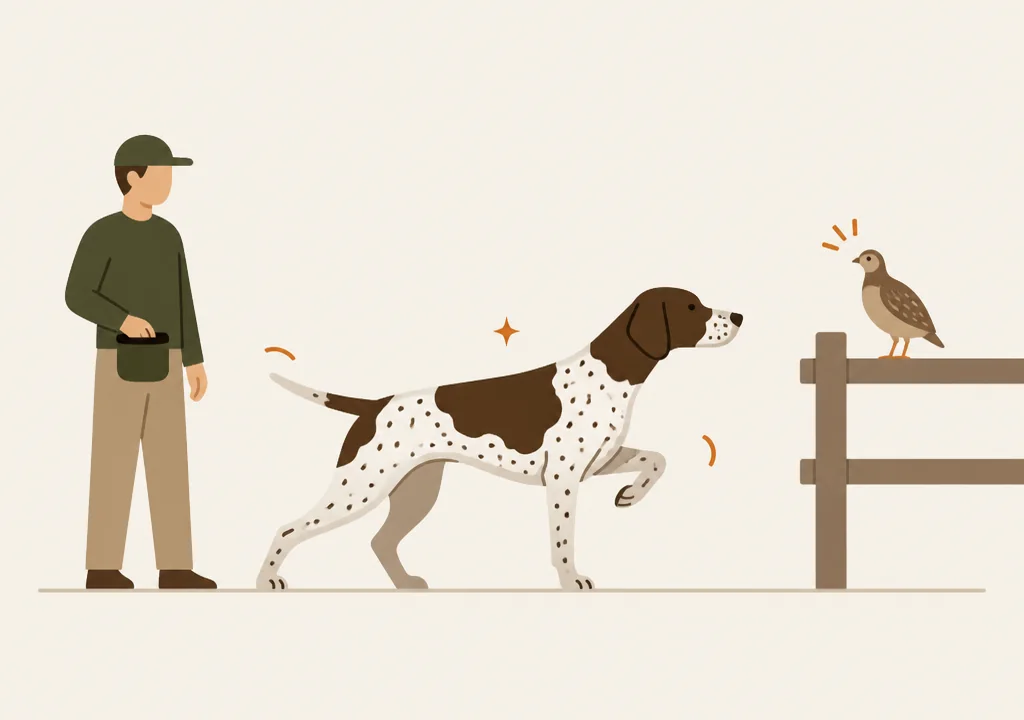
Scent and birds
Outdoors the nose and the sky take over. Recall is built around scent and birds from the start, on a long line, with rewards that beat whatever the dog just found.
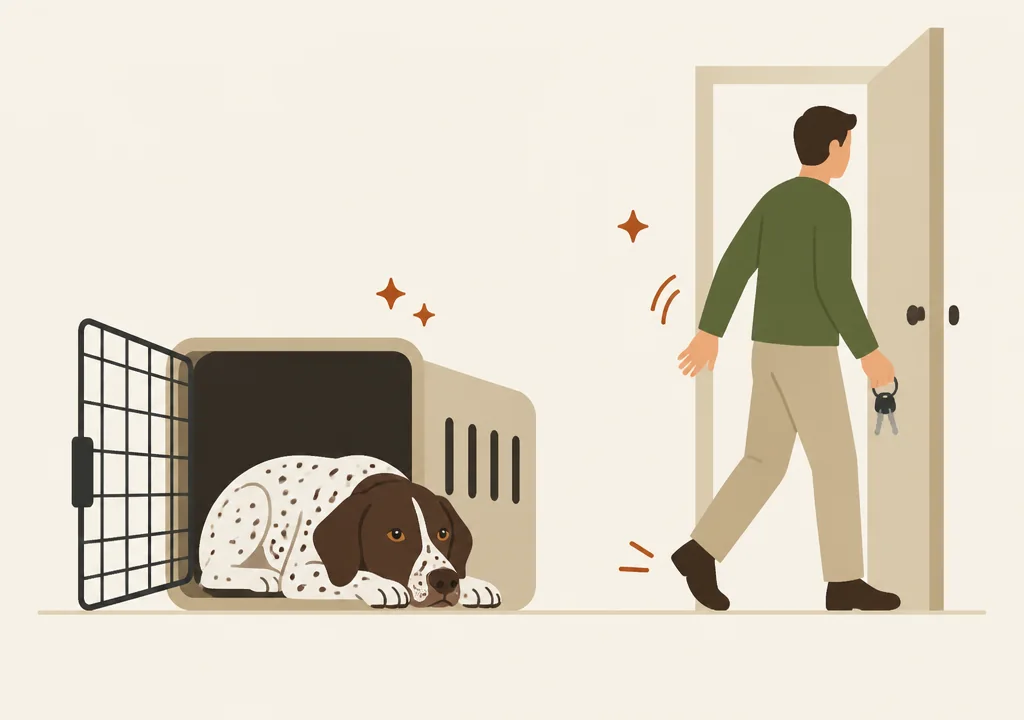
Velcro dog
GSPs bond hard and dislike being alone. Short absences practiced from the first days keep that devotion from turning into separation stress and chewed doors.
Everyday goals
Where many young GSPs start, and where steady practice gets you.
Before
- Runs off after birds
- Steals from the counter
- Drags you on walks
- Paces all evening
After
- Comes back when called
- Waits on a mat at dinner
- Walks on a loose leash
- Settles after a sniff walk
Advice for every age
Most of what we teach works at any age. If you want extra help, pick a stage to see what often comes up then.
Puppy foundations
Soft mouths, crate naps and short sniff walks.
Drive switches on
Birds, smells and counters all become exciting.
The teenage months
Big legs, bigger ideas.
The working partner
A focused field dog who rests at home.
Give that drive somewhere to go.
Start with one outlet for all that drive and build the routine around it.